By Julius Wandera
There is a legitimate debate about the current electricity outages. Consumers are frustrated, and rightly so. The Uganda Electricity Distribution Company Limited (UEDCL) must ultimately be judged by whether reliability improves.

But attributing everything we are experiencing today simply to “UEDCL incompetence” is an attractive argument only if we ignore how Uganda’s electricity distribution sector has actually evolved.
For 20 years, from 2005 to March 2025, the main distribution network was operated by Umeme under a private concession. UEDCL owned the assets, but the Lease and Assignment Agreement gave Umeme the right to operate, maintain and invest in that network. Umeme itself described this as an exclusive right to use, maintain and retire the distribution-network assets during the concession.
THE DISTINCTION MATTERS
For those 20 years, Government could not simply wake up, identify a weak part of the concessioned distribution network and begin operating or investing in it as though there were no concessionaire. The concession created contractual rights and responsibilities that had to be respected. The Electricity Regulatory Authority (ERA) itself noted before the transition that the concession agreement did not provide for Government to step in and manage the network while Umeme remained the sitting concessionaire.
Umeme also operated as a private company with access to private capital. Uganda’s National Electrification Strategy noted that, as a listed company, Umeme could mobilise resources from international equity and credit markets as well as the domestic capital market. It invested substantially during the concession and achieved important improvements, including major reductions in distribution losses and enormous growth in customer numbers.
ENTER UEDCL
UEDCL is entering this story from a fundamentally different starting point
It is a wholly Government-owned company. It inherited nationwide operational responsibility only on 1 April 2025, after two decades in which the concessioned network was operated by Umeme.
So, yes, hold UEDCL accountable. Ask why a transformer has failed repeatedly. Ask why vegetation management was delayed. Ask why a feeder remains overloaded. Ask why restoration takes too long. Ask whether maintenance, procurement and investment are moving fast enough.
Those are legitimate questions.

But first understand the system you are criticising. The network did not become old on 1 April 2025. Demand did not suddenly begin growing on 1 April 2025.
Overloaded substations, constrained feeders, ageing equipment and investment requirements did not materialise the morning UEDCL took over.
And the transition from a 20-year private concession model to direct operation by a public utility was never going to erase accumulated network constraints overnight.
Indeed, the Government itself publicly acknowledged after the transition that the expired Umeme concession had constrained its ability to undertake certain large-scale interventions and that significant refurbishment and new infrastructure would be required.
There is another important distinction.
A public utility does not operate exactly like a private concessionaire. UEDCL operates within Government systems of financing, accountability, procurement and public-sector oversight. That model brings its own obligations and constraints. It therefore makes little analytical sense to compare the two entities as though Government merely removed the Umeme signboard on 31 March and put up a UEDCL signboard on 1 April 2025.
None of this gives UEDCL a blank cheque.
The transition cannot become a permanent excuse for poor service. The public is entitled to expect that the advantages of returning the distribution function to Government ownership will eventually show up in the quality of electricity service.
And that is already the important test.
Are the bottlenecks being identified? Are transformers being replaced? Are overloaded substations being reinforced? Are weak feeders being rebuilt? Are maintenance practices improving? Are connection backlogs reducing? And, ultimately, are consumers beginning to experience fewer outages and faster restoration? That is the debate worth having.
Criticism is healthy. Accountability is necessary. But serious public debate about a technically and institutionally complex electricity sector requires more than declaring “incompetence” every time the lights go off.
Understand the concession. Understand the condition and growth of the network. Understand the difference between a private concessionaire and a public utility. Understand what was inherited, what is being fixed, and what remains to be done. Then, by all means, hold UEDCL and the rest of us in the electricity sector to account.
That would be a much more informed conversation.
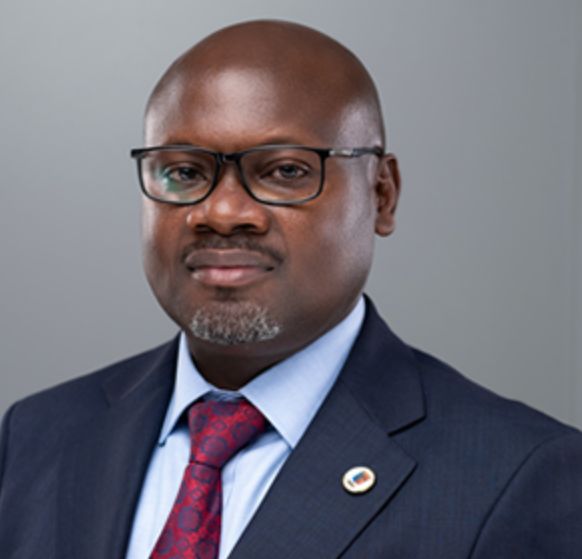
The author is Director Corporate and Consumer Affairs-Electricity Regulatory Authority (ERA)