By Hon. Babirye Milly Babalanda
Last week, my senior colleague, Hon. Ofwono Opondo, the Member of Parliament representing older persons in Eastern Uganda, raised an important concern about the ongoing political developments in our country.
Commenting on efforts by some prominent Ugandans to usher in a post-Museveni presidency, the former NRM Party spokesperson warned that the initiative, in its current form, could inadvertently be interpreted as a vote of no confidence in the President. More importantly, he cautioned that the resulting uncertainty could erode investor confidence and threaten the gains Uganda has achieved.

His concerns echo those expressed earlier by Senior Presidential Advisor on Defence and Security Affairs, Lt. Gen. Proscovia Nalweyiso, who questioned the appropriateness of intensifying succession activities when President Museveni has only recently begun a new term following his election.
Lt. Gen. Nalweyiso argued that greater attention should be directed towards implementing the NRM Manifesto for 2026–2031, the social contract through which the President sought a renewed mandate from Ugandans. She called upon stakeholders to work together, mobilise resources and strengthen accountability to improve service delivery.
Proponents of the ongoing post-Museveni presidency agenda maintain that their activities are intended to prepare for the country’s future leadership. While every Ugandan has the right to pursue legitimate political ambitions within the law, the manner in which these activities are conducted has sometimes created confusion and exposed public officials to unfair criticism.
Recently, during my official duties, I called upon Resident District Commissioners (RDCs) to remain committed to their responsibilities and loyal to the President, who appointed them and whose interests they represent in their respective districts.
However, an individual identifying himself as Hon. Frank Mwesigye interpreted my remarks as disloyalty to the Patriotic League of Uganda (PLU) and its leader, Gen. Muhoozi Kainerugaba. Instead of seeking clarification or engaging in constructive debate, he resorted to personal insults and body-shaming. Such conduct is regrettable, particularly from someone who presents himself as an influential political actor. But what’s more confusing is that apart from me, other ministers and public officials like Hon. Justine Nameere and the head of the Office of the National Chairman, Hajjat Hadijah Namyalo, have suffered the same fate, while throwing weight behind the appointing authority in the course of their official mandates.
A call for humility, restraint
A Luganda saying cautions: “Kabaka tatta, naye obulenzi obuwujja obunyama bwe busaakiriza.” In essence, a king may not personally harm anyone, yet those who fanatically praise him can cause harm in his name or mislead him to harm. This pattern is, sadly, cropping into our political space, nurtured by people like Mwesigye and others who are quick to twist genuine official statements to suit their own ambitions.
However, it is important for those who position themselves to represent a leader to exercise restraint and avoid conduct that damages the reputation they seek to protect or represent.
Gen. Muhoozi Kainerugaba is my brother, and his contributions to this country’s national security and the fight against corruption are enviable and inspirational to us all. Through Operation Maliza Ufisadi, he has meticulously taken up the challenge of tackling corruption and waste. These efforts are consistent with President Museveni’s call for efficiency and accountability under the theme “Kisanja No Corruption, No Sleeping,” unveiled during his swearing-in ceremony at Kololo in May 2026.
And at the Cabinet induction retreat in Kyankwanzi, the President also directed ministers to engage directly with communities, monitor government programmes, confront corruption and demand accountability. Government leaders must consequently exercise their lawful supervisory responsibilities rather than remain confined to their offices.
The field visits and anti-corruption inspections associated with Local Government ministers Hon. Balaam Barugahara and Hon. Justine Nameere, alongside other leaders’ spot checks, demonstrate adherence to the president’s policy directive. For the Ministry for the Presidency, this includes ensuring that RDCs, Resident City Commissioners (RCCs), their deputies and assistants effectively represent the President and fulfil their monitoring and supervisory responsibilities.
The big dilemma
Unfortunately, officials implementing the President’s lawful directives have sometimes been branded enemies of other political formations and subjected to personal attacks. This undermines constructive engagement and may discourage public servants from performing their duties confidently.
The concerns raised by Lt. Gen. Nalweyiso, Hon. Opondo and other Ugandans therefore deserve sober reflection. The NRM and PLU should attract support through their achievements, ideas, programmes and vision, not online abuse or humiliation of those holding different views.

Genuine whistleblowing must also be distinguished from politically motivated blackmail. Allegations against public officials deserve fair investigation, but accusations should not be treated as proven merely because they have gone viral. Equally, legitimate concerns about accountability should not be dismissed because they originate from people with differing political views. Uganda is governed by the Constitution, which provides the framework for political leadership and the peaceful transfer of power. Article 105(1) provides for a five-year presidential term, meaning any transition must follow the applicable constitutional and electoral processes.
President Museveni remains the duly elected President, exercising the mandate entrusted to him by the electorate. Subsequently, ministers and public officers serving under his administration have a responsibility to implement his lawful directives and discharge their duties diligently.
Need for Political humility, maturity
As a Christian, I also draw guidance from Romans 13:1–2: “Let every person be subject to the governing authorities. For there is no authority except from God, and those that exist have been instituted by God.”
This passage reminds us of the importance of respecting governing authority, alongside the lawful exercise of public responsibility and accountability.
I have no fundamental objection to Ugandans discussing future leadership or preparing for a political transition through lawful means. Such a time will come, as leadership tenures are subject to the Constitution and the passage of time. Daniel 2:21 reminds us: “He changes times and seasons; he deposes kings and raises up others.”
We should therefore approach succession with patience, wisdom and respect for constitutional processes rather than allowing it to become a source of unnecessary division.
My humble appeal is that all political actors, particularly within the broader NRM fraternity, demonstrate greater maturity, humility and restraint. Ministers must be able to execute their lawful responsibilities without fear of retaliation, while public servants should be held accountable through established procedures rather than social media tribunals.
The President’s constitutional mandate must be respected. However, loyalty to him should not automatically be interpreted as hostility towards other political actors or denial of their legitimate ambitions. Supporting the sitting President and preparing for future leadership are not necessarily incompatible, provided both are pursued lawfully and more cordially.
Ministers must not shy away from supervision and accountability because of criticism from particular political groups. Equally, critics should distinguish legitimate scrutiny from personal attacks and intimidation.
Let us disagree without intimidation, supervise without fear, criticise without malice and pursue political ambitions without sowing division.
Our democracy should be measured not by whether every Ugandan supports the same leader, but by whether citizens can express differing convictions, uphold the law, discharge their responsibilities and pursue legitimate ambitions without fear of persecution.
Most importantly, supporting President Museveni should not become a heavy cross to bear. Honest political allegiance, freely expressed and exercised within the law, is a legitimate choice; not an offence.
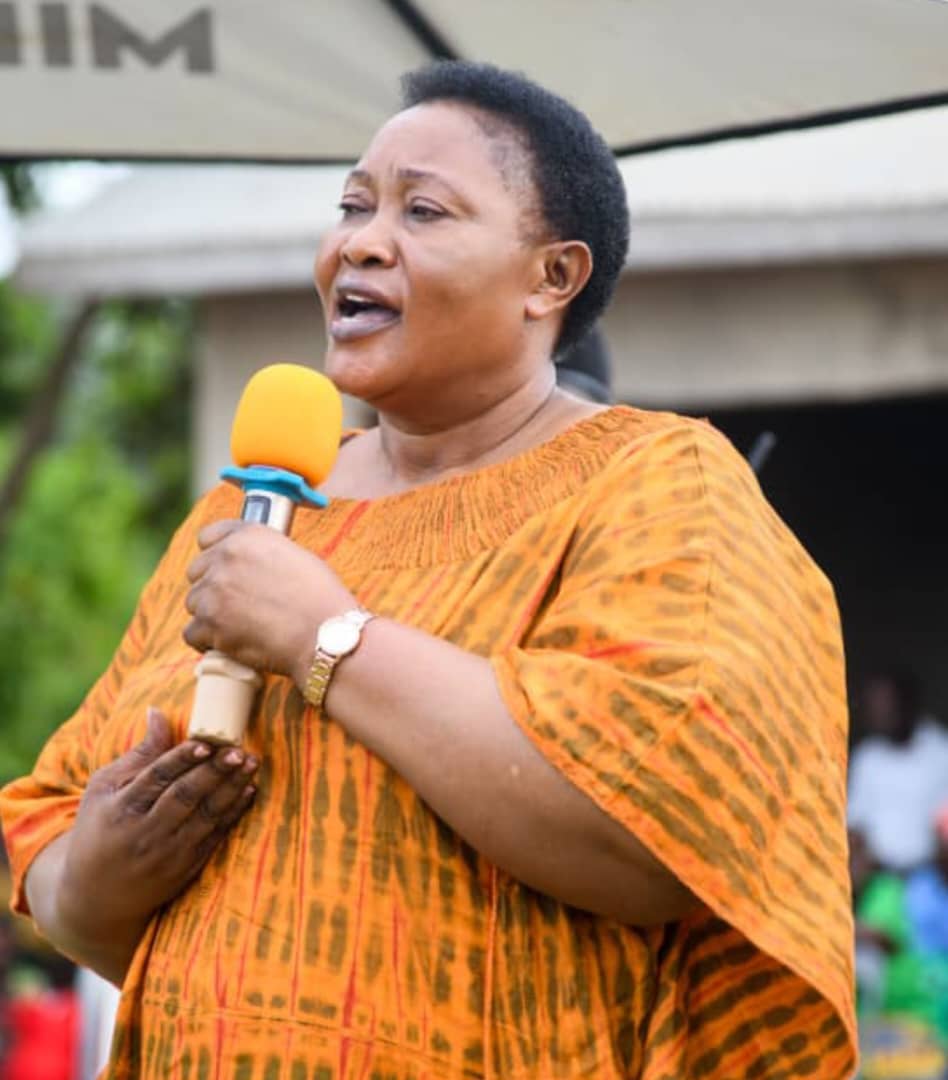
The author is the Minister for the Presidency and MP for Budiope West County.