SAYS UHRC NEEDS MORE FUNDS TO ADDRESS EMERGING HUMAN RIGHTS CHALLENGES!
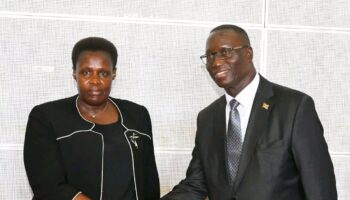
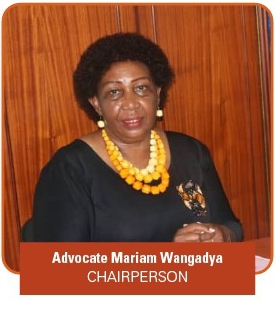
The Uganda Human Rights Commission (UHRC) says if given adequate resources, it can do more to address emerging human rights challenges. The commission chaired by Mariam Fauzat Wangadya also says UHRC doesn’t believe that there are state inspired kidnappings and or abductions as alleged by some sections of the opposition. In an exclusive interview with THE INSPECTOR, Wangadya advised those whose relatives allegedly went ‘missing’ to return to police for criminal proceedings to be done. The Inspector contacted the Chairperson for her take on how the Commission has faired in the ending year 2023 and also give us a hint on its main focus for 2024.

EXCERPTS
Qn. The framers of the 1995 constitution were informed by the turbulent history of Uganda. In fact, the much-talked about rivers of blood informed their decision so that it can never happen again. You’re the ombudsman and overseer of this mission and task for Uganda not to ever experience that situation again. What are the milestones you think you have done in fulfilment of this task?
CP Mariam Wangadya: The Uganda Human Rights Commission has since inception called for and championed peaceful dialogue and open conversations about Uganda’s historical challenges. We’ve conducted human rights education throughout the country, constantly reminding citizens of their rights and the need to respect the rights of others; including the right to life. Our annual human rights reports always document the human rights situation in the country and we always make recommendations to different stakeholders for action. Uniquely, we deliver justice through our tribunals. As a Commission we’ve established platforms for diverse groups to share their perspectives, grievances, and aspirations to heal any wounds from the past. Earlier this year, we convened such a platform on the International Day of Peace. We have implemented conflict resolution programs, in collaboration with state and non-state actors, to try and address the root causes that led to the metaphorical “rivers of blood.” The aim is to foster a national ethos that prioritizes understanding and unity over division.
Qn. The reason we have the UHRC is because Uganda is a democracy where the rule of law must be respected. Are you satisfied with the powers you have to execute your mandate?
CP Mariam Wangadya: Whereas the constitution of Uganda gives the UHRC a mandate of protection and promotion of Human Rights, the discussion of this mandate visa viz the resourcing of the UHRC is essential. Having the powers is one thing and having the resources to exercise those powers is another thing. The Commission has done its best within the meagre resources availed to it. It can do even more with enough resources to address emerging human rights challenges effectively. Obtaining the necessary funds, and collaborating with legal experts, and international human rights bodies would facilitate a comprehensive evaluation of the UHRC’s authority, enabling it to adapt to evolving societal needs.
Qn. In your opinion, how would you rate Uganda’s Human Rights Portfolio in light of the increasing sanctions against government officials over alleged human rights violations?
CP Mariam Wangadya: Sanctions against government officials are entirely at the discretion of the countries that take those measures. As the UHRC, we continue to commit to transparent investigations into alleged violations and hold accountable those found responsible. But just like any other institution that plays a crucial role, we must always implement systemic reforms to prevent recurrence. Uganda is doing well with respect to human rights. That is why we continuously maintain an ‘A’ status as the UHRC. The only challenge is that we rarely tell the story of what we do. We are committed to continuously improving the human rights landscape and contributing to a more positive perception globally.
Qn. Before such sanctions are issued against Ugandan officials, does the US consult you for your opinion?
CP Mariam Wangadya: Not at all, and it is within their right. But establishing a more direct line of communication between the U.S. and local authorities, including the UHRC, would enhance the accuracy and fairness of decisions leading to sanctions. Regular consultations would allow for the exchange of information, ensuring a more nuanced understanding of the human rights situation in Uganda and potentially averting misunderstandings.
Qn. The commission recently issued a report confirming that indeed there are some Ugandans who are still unaccounted for. This matter continues to occupy public debate. How do you think this matter should be handled by the complainants?

CP Mariam Wangadya: As a Commission, we have collaborated with law enforcement, families, and advocacy groups to investigate cases of alleged missing persons. We continue to encourage the complainants to establish or re-establish contact on these matters with the Police. We have shared this view with the Parliament. Police has the primary mandate to investigate allegations of criminality.
But also, we need not to forget that Parliament, through it’s Human Rights Committee, investigated the issue of “missing” persons and found no evidence of involvement of Security agencies in the alleged “abductions” and “disappearances”. UHRC does not believe there are any state inspired disappearances of people in Uganda. Kidnappings or abductions are criminal offenses which the Criminal Justice system continues to handle as and when they may arise.
Qn. The electoral roadmap is already out. We’re heading towards 2026 and usually, the closer the elections; the more difficult the situation becomes. How prepared is the commission for this exercise?
CP Mariam Wangadya: Ensuring the commission’s preparedness for the upcoming elections involves not only monitoring the electoral process but also actively engaging with the public. Conducting civic educational campaigns on voting rights, organizing town hall meetings, and addressing concerns promptly will contribute to a fair and transparent electoral environment, fostering confidence in the democratic process. As a Commission, we are prepared. We however need to be supported to play our role.
Qn. The vacant positions for commissioners were about a year ago filled by the president. That to me, means issues of case backlog are no longer an issue. How long or short should a complainant expect a ruling after filing a complaint?
CP Mariam Wangadya: While filling vacant positions is positive, addressing case backlogs requires continued efforts. Implementing streamlined processes, leveraging technology for efficient case management, and ensuring adequate resources contribute to reducing the time complainants have to wait for rulings. Right now, the Commission is poorly funded and tribunals seat intermittently. Therefore the issue of backlog still remains.
Qn. You’re one of the most powerful Muslim women lawyers in the land. Are you satisfied with the way Muslim affairs are being handled by the Uganda Muslim Supreme Council?
CP Mariam Wangadya: We vouch for transparency and accountability within the Council. I feel this can further enhance its credibility.
However, I am concerned about the tribal undertones that have bedeviled the leadership of the Ummah since creation of the UMSC. In Islam we are each other’s brother and sister regardless of our places of birth or origin.
Qn. As we enter 2024, what is going to be the commission’s main focus to ensure the reduction of cases of alleged human rights violations?
CP Mariam Wangadya: In 2024, the commission’s primary focus will involve preventative measures. Implementing educational programs on human rights, collaborating with local communities to address underlying issues, and advocating for policy reforms that align with acceptable human rights standards will contribute to a proactive approach to preventing human rights violations. Regular assessments and feedback mechanisms will ensure the effectiveness of these initiatives over time.