
President Yoweri Museveni is still wearing a negative face towards the institution of Parliament over its decision to block the Bujagali power project which he said was to lower the price of electricity to as low as 4.9 cents.
The Head of State says he had sweated a lot to find an investor to develop Bujagali until he finally landed on an American group which had accepted to develop Bujagali on a private basis and they were to sell cheap electricity.

“I worked so hard and got an American group to develop Bujagali on a private basis and then we agreed that they should sell electricity at 4.9 cents per unit. When we took it to Parliament, they blocked it” he said.
He went on “Actually, you should find out who were these people (MPs) who blocked the proposal because we cannot go on like this. Actually, sometimes I feel I should go back to the bush and do some damage to something or what?” he said.
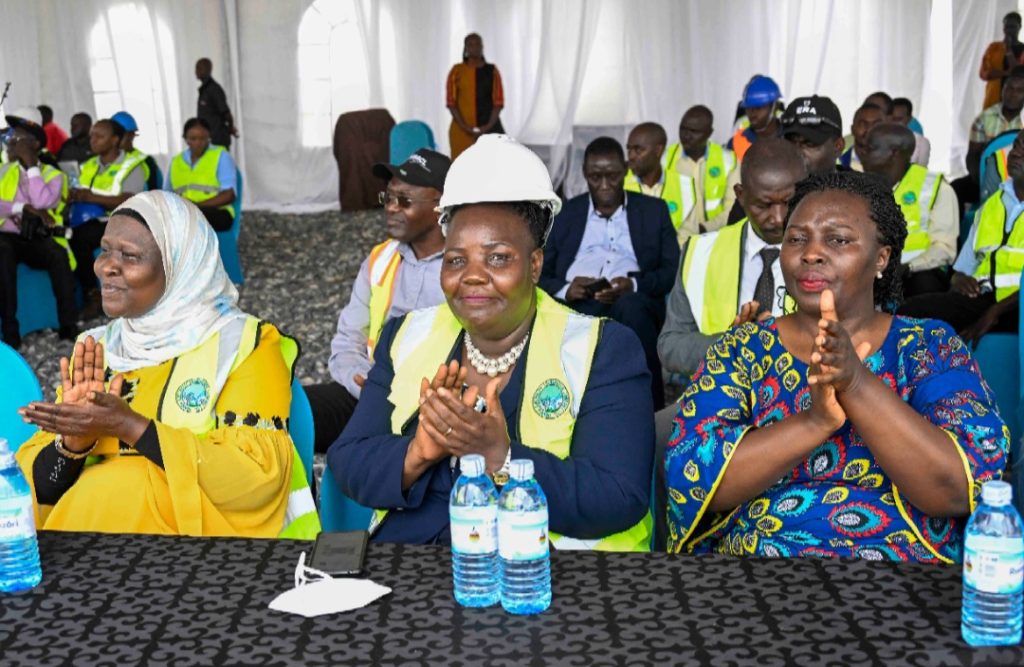
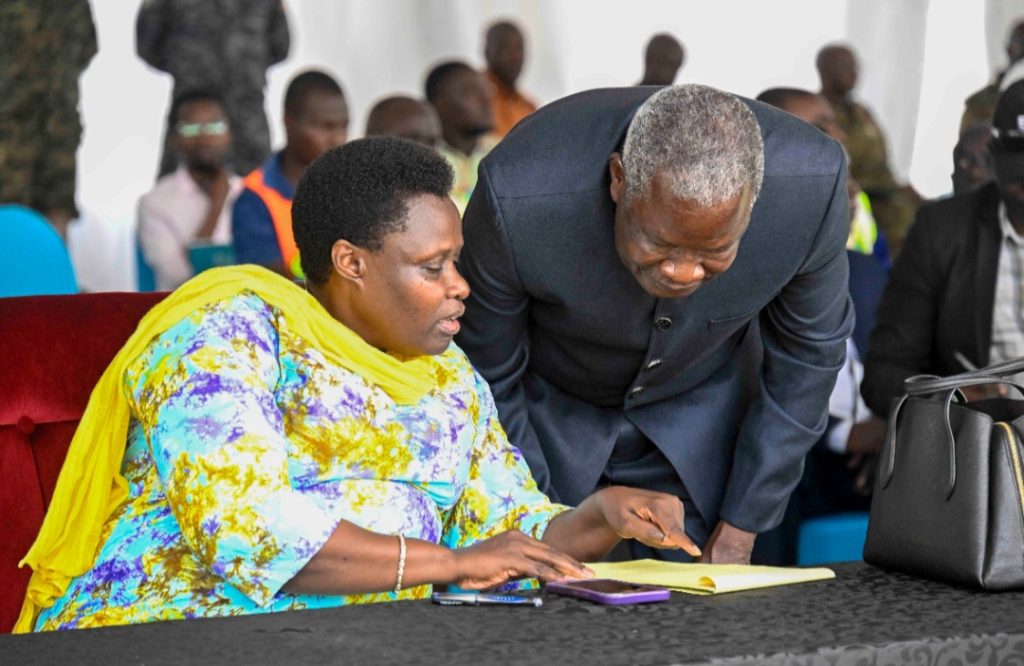
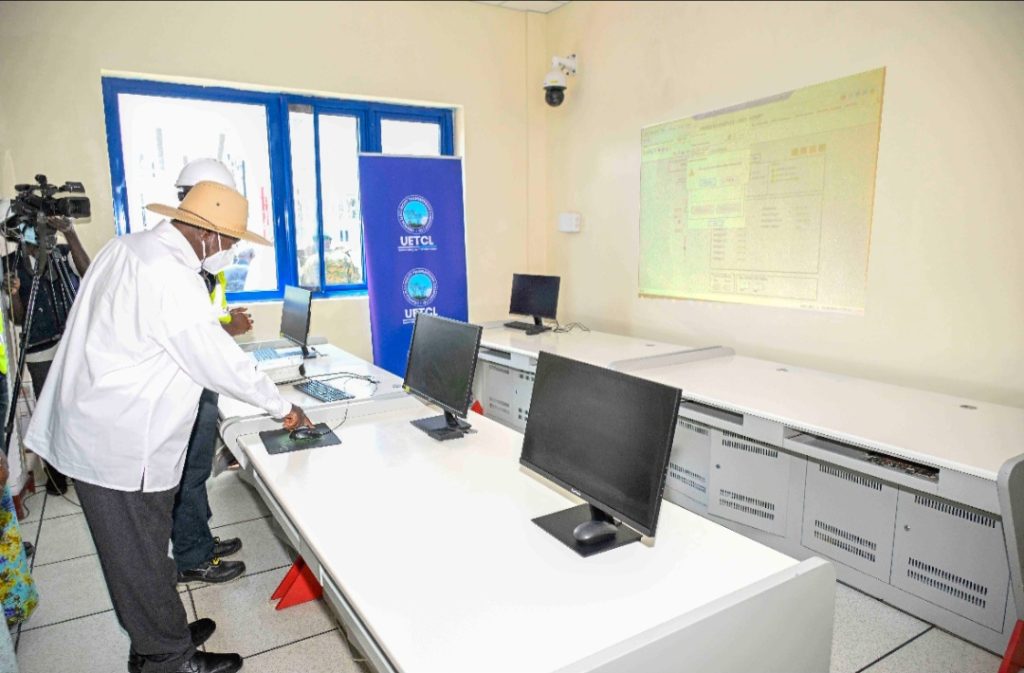
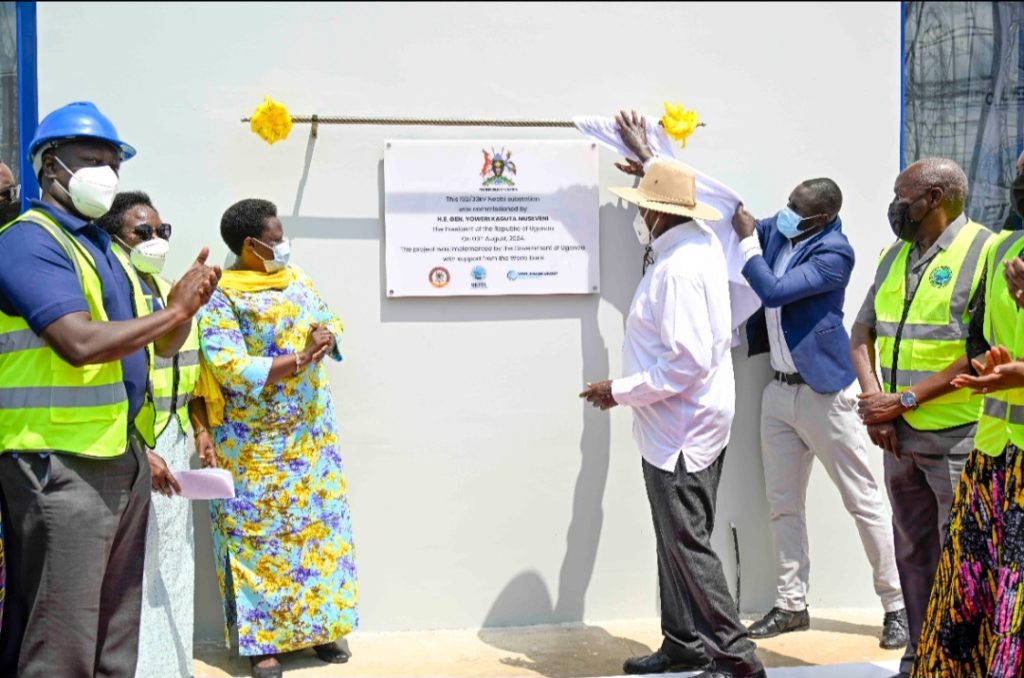
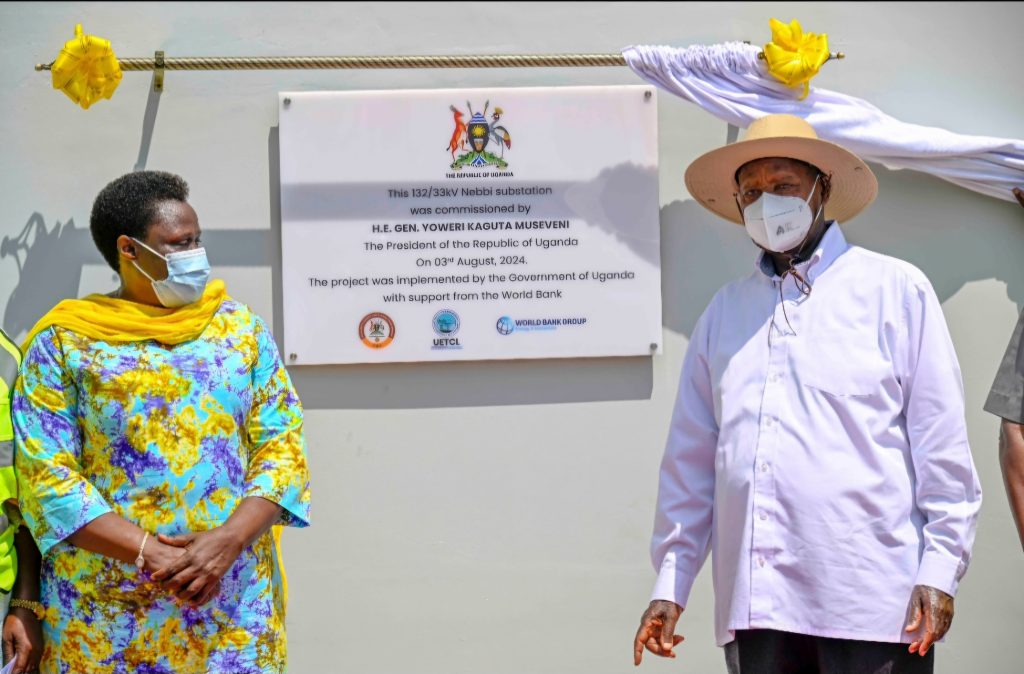
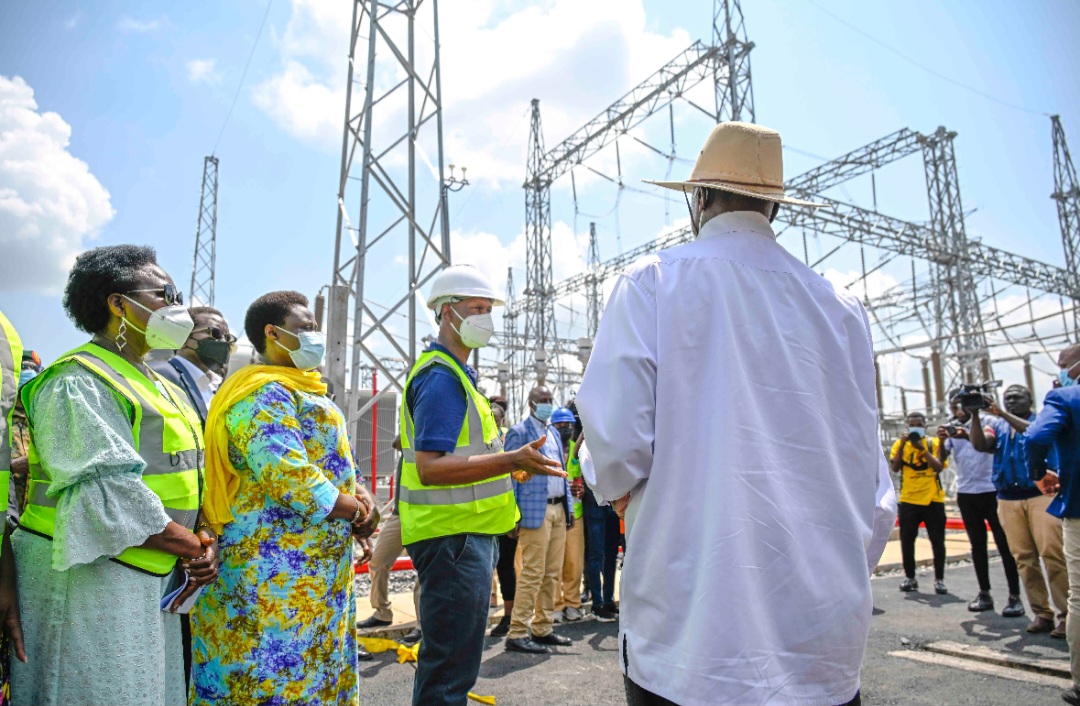
The President made the remarks as he; alongside the Vice President Jessica Alupo and other government officials launched the Kole-Gulu-Nebbi-Arua transmission line connecting the West Nile subregion to the National Grid yesterday.
The 132kV power line was successfully energized at Nebbi Substation.
During the commissioning, Museveni highlighted some historical facts regarding the progress of Uganda’s electricity sector and the story behind the journey of connecting West Nile to the national grid.
“The argument by some people who say that we had forgotten West Nile were wrong, they were not serious, they were disruptive actually,” President Museveni said.
Museveni explained that when his NRM came into government, the only installed power in Uganda was Owen Falls Dam with a generation capacity of 150 Megawatts with only four turbines (15 Megawatts each) working out of 10. He said this therefore, meant that the total Megawatts in Uganda was merely 60 Megawatts and yet by contract (signed between the colonies of Uganda and Kenya long ago), Uganda had to send 30 Megawatts to Kenya. Museveni said with this contractual obligation to Kenya, it meant that the actual power in Uganda was only 30 Megawatts which his government found.
“What we did was to find ways of increasing the power quantity in the country. The first thing we did was to repair Owen Falls Dam back to 150 Megawatts and fine tune the generators to add another 30 Megawatts, so we ended up with 180 Megawatts. We were selling 30 megawatts to Kenya and keeping 150 Megawatts for Uganda” he explained.
President Museveni further revealed that after the 2006 General elections, he tasked the cabinet to prioritize infrastructural development with a main focus on electricity and roads. And according to him, this directive played a big role in steering development in the country.
“That is when we created the energy fund and we put money there. That energy fund liberated us because we had freedom of action. Because of the energy fund, I started discussing with the Chinese to build Karuma and Isimba. Initially, we wanted to pay all of it ourselves from our budget but the Chinese Ambassador who was here said the Exim bank of China can extend a loan. That is how we ended up building Isimba of 183 Megawatts and Karuma of 650 Megawatts and so on.” he said.

Museveni however, also hinted on crafty deal his ‘smart’ people did where they finally dust binned his initial Bujagali deal with the Americans and instead signed a new one without his knowledge to construct this same project. And to make matters worse for him, whereas his initial negotiations with the Americans sought to sell cheap electricity at 4.9 cents, the new Bujagali deal pushed the price to as high as 16 cents almost four times higher than the initial plan.
“In the meantime, my wonderful people went behind my back, that group is also there. They signed a new Bujagali agreement without my knowledge where they removed the agreement I had reached with the American company of 4.9 cents, then I heard that they had started building Bujagali” he explained , adding that ‘I didn’t know the details, I thought they had the same terms so when Bujagali is finished, what is the price? 16 cents.”
WEST NILE LINE TO BOOST INVESTMENT
The President said with the new power line, the country will be able to attract more investors who can set up factories in West Nile.
“There’s a lot of power waiting to be used. What I would recommend is to develop an industrial park somewhere in the West Nile near the power,” the Museveni asserted.
Meanwhile, the Minister of Energy and Mineral Development, Ruth Nankabirwa said she was happy that the West Nile sub-region has finally been connected to the national grid.
“I and my team took a decision to prioritize the connection of the West Nile region to the National grid amidst the many challenges and pressures that we have,” she said.
The Minister also commended President Museveni for his steady leadership characterized by peace, security and development.
“You invested in the stability of the country, you worked on the infrastructure; roads, transport and electricity beginning from generation. You cannot supply what you don’t have. You have mobilized money and new power stations and transmission lines have been established,” Nankabirwa noted.
The Ministry of Energy, through UETCL, its implementing agency, says it is committed to implementing the Vision 2040 and National Development Plan III through the completion of various power transmission projects which will ensure nationwide access to the national grid.
The memorable event was also attended by the Electricity Regulatory Authority Chief Executive Officer Eng. Ziria Tibalwa Waako, ERA board chairperson Dr. Sarah Wasagali Kanaabi, Energy PS Irene Batebe, UETCL board chairperson Kwame Ejalu among other officials.