KAMPALA — As Uganda marks 40 years since the 1986 liberation, sweeping investments in farm mechanisation, irrigation and livestock disease control are being cited as clear evidence of how far the country’s agricultural sector has advanced from subsistence survival to productivity-driven enterprise.
Where hand hoes, unpredictable rainfall and livestock epidemics once defined farming for many households, today’s rural landscape increasingly features tractors, irrigation schemes and modern veterinary systems — changes that sector leaders say reflect decades of policy stability and deliberate public investment.

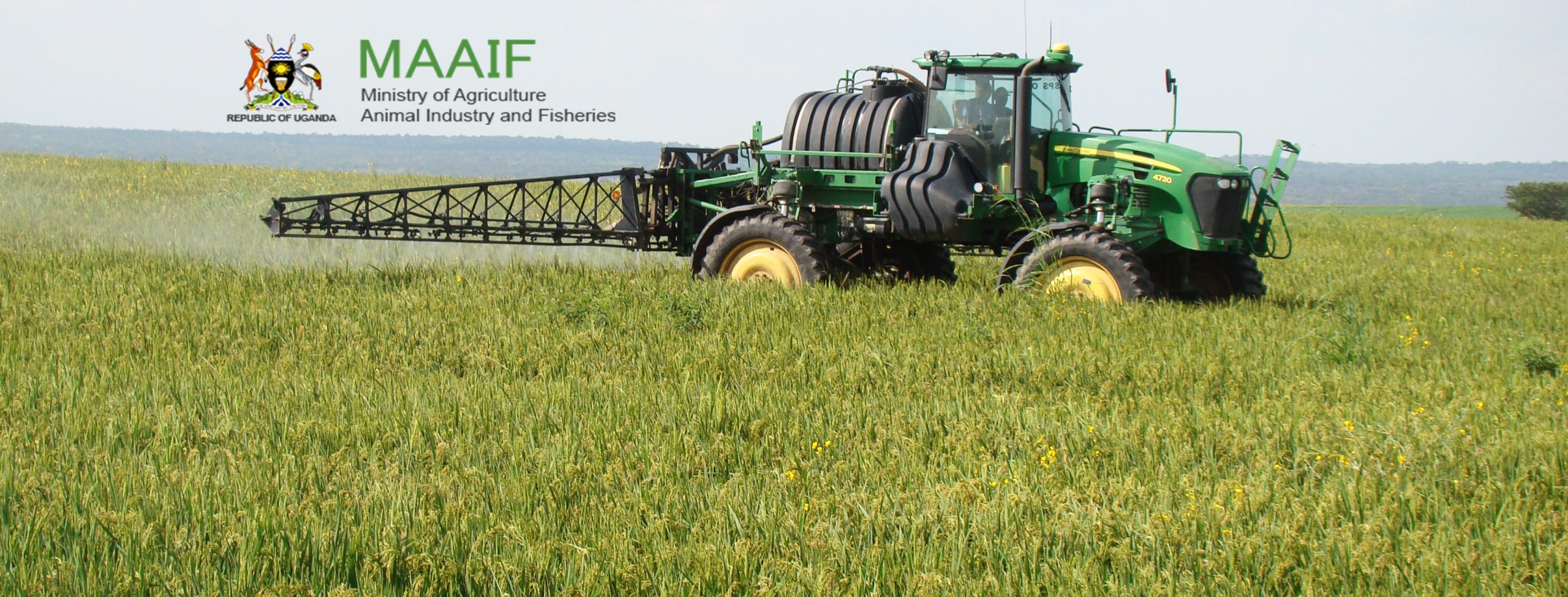
Maj. Gen. David Kasura-Kyomukama, Permanent Secretary at the Ministry of Agriculture, Animal Industry and Fisheries, said government has accelerated mechanisation by supplying 1,080 four-wheel tractors and 1,350 power tillers, alongside training 2,036 operators, mechanics and technicians to ensure proper use and maintenance of equipment. A pilot government tractor hire service now operates at a subsidised rate of about UGX 60,000 per acre, roughly half the prevailing commercial rate.
“These efforts are helping farmers open more land, plant on time and increase productivity, which directly translates into higher household incomes,” Kasura said.
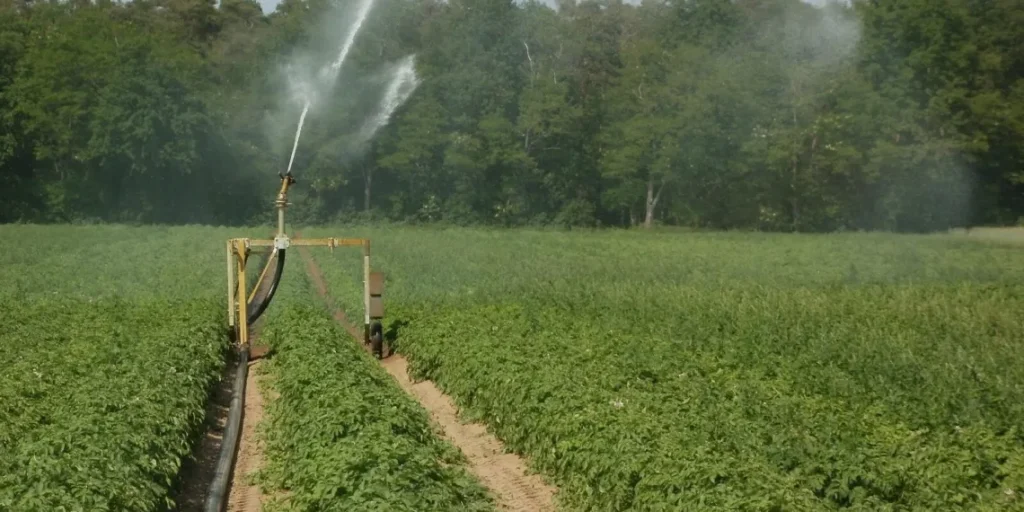
On water for production, he noted that completed large-scale irrigation schemes have added 3,576 hectares to the country’s formal irrigated area, while 600 valley tanks have been constructed nationwide to support livestock and crop production in water-stressed regions. An additional 6,000 micro-scale irrigation systems have been installed under a government co-funding arrangement, improving resilience to erratic weather patterns linked to climate change.
“These water investments are reducing the risks farmers face from drought and making it possible to farm throughout the year,” he said, adding that reliable water access is key to transitioning from subsistence to commercial agriculture.
In livestock health, Kasura highlighted what he described as historic progress in disease control. Government has procured 53.6 million doses of foot-and-mouth disease vaccine, the largest single vaccine investment in Uganda’s history, while 19.8 million doses have already been distributed in recent years. Cold chain capacity has expanded with modern storage facilities established in 53 districts, alongside a national storage facility under development.
He added that local production of an anti-tick vaccine is being developed to help curb livestock losses estimated at USD 1.1 billion annually, a move expected to strengthen Uganda’s competitiveness in regional meat and dairy markets.
As the country reflects on four decades of relative stability and structured development planning, many rural communities view the arrival of machinery, irrigation systems and stronger veterinary services as proof that agriculture is steadily becoming more modern, reliable and profitable.
For a sector that supports the majority of Ugandan households, these changes are fueling confidence that the next decades could bring even greater productivity, resilience and prosperity for farming families across the country.