By John Okello Lapok
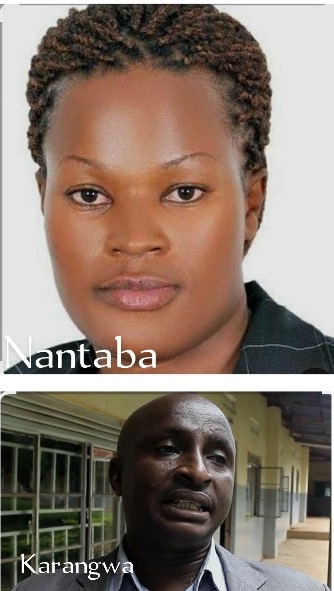
Kayunga District’s recent NRM party elections on May 23, 2025, were anything but ordinary. As the party’s internal leadership structures were voted on across the country, all eyes turned to the hotly contested race between two familiar political foes: Karangwa Moses and former Lands Minister Aidah Erios Nantaba. While the elections were ostensibly about shaping the district’s internal NRM structures, the implications stretched far beyond, hinting at potential outcomes in the forthcoming general elections.

The contest saw Karangwa emerge victorious with a commanding lead, garnering 415 votes against Nantaba’s mere 38. However, beneath this overwhelming defeat lies a more intricate political narrative. Unlike Karangwa, who actively participated from the grassroots to the district level, ensuring his allies dominated the party structures, Nantaba was noticeably absent during the early stages. Her last-minute entry into the race raised eyebrows among political analysts and constituents alike.
Many were left puzzled: Why would a seasoned politician like Nantaba throw herself into an election she seemed destined to lose?
Her swift concession of defeat—an uncharacteristic move—added fuel to the speculation. Was this a misstep, or could it have been a calculated strategy?
Despite losing the NRM district Chairpersonship, some believe Nantaba may have positioned herself for a major comeback in the 2026 general elections.
A closer look at the dynamics reveals why. Karangwa, who played a key role in shaping the party structures, is the father of Jacklin Birungi—Nantaba’s main opponent for the Kayunga District Woman MP seat.
His influence in the internal elections, widely perceived as heavy-handed, has drawn sharp criticism.
Numerous NRM members who lost blame Karangwa for manipulating the process, thereby sowing seeds of discontent throughout the district.
In contrast, Nantaba’s minimal participation in the internal elections means she remains untarnished by the allegations of bias and manipulation.
This distinction may play to her advantage. As political tensions simmer, many aggrieved party members might turn to her as a symbol of neutrality and fairness.
The resentment towards Karangwa’s perceived overreach could translate into widespread support for Nantaba in the general polls, especially from those who feel disenfranchised by the party’s internal processes.

Moreover, Nantaba’s enduring popularity in Kayunga cannot be understated.
Her legacy, built over years of public service and grassroots engagement, continues to command respect among the electorate.
If voters interpret her recent loss as part of a broader political game rather than a genuine defeat, it could galvanize sympathy and support.
In the end, the true test lies ahead. While Karangwa may have won the battle for NRM leadership, the war for the hearts and votes of Kayunga’s residents is far from over.
If Nantaba’s apparent setback was indeed a calculated move, she may very well emerge stronger, riding on a wave of voter dissatisfaction and strategic political timing to reclaim her position in the general elections.