Arusha – April 14, 2026: Members of the East African Legislative Assembly have initiated plans to introduce a regional legal framework aimed at strengthening the fight against human trafficking across East Africa, amid concerns that fragmented national laws are being exploited by transnational criminal networks.
The proposed legislation seeks to establish a harmonised East African Community Counter-Trafficking in Persons law, intended to improve prevention mechanisms, strengthen prosecutions, and enhance protection for victims across all Partner States of the East African Community.
Motion introduced in regional parliament

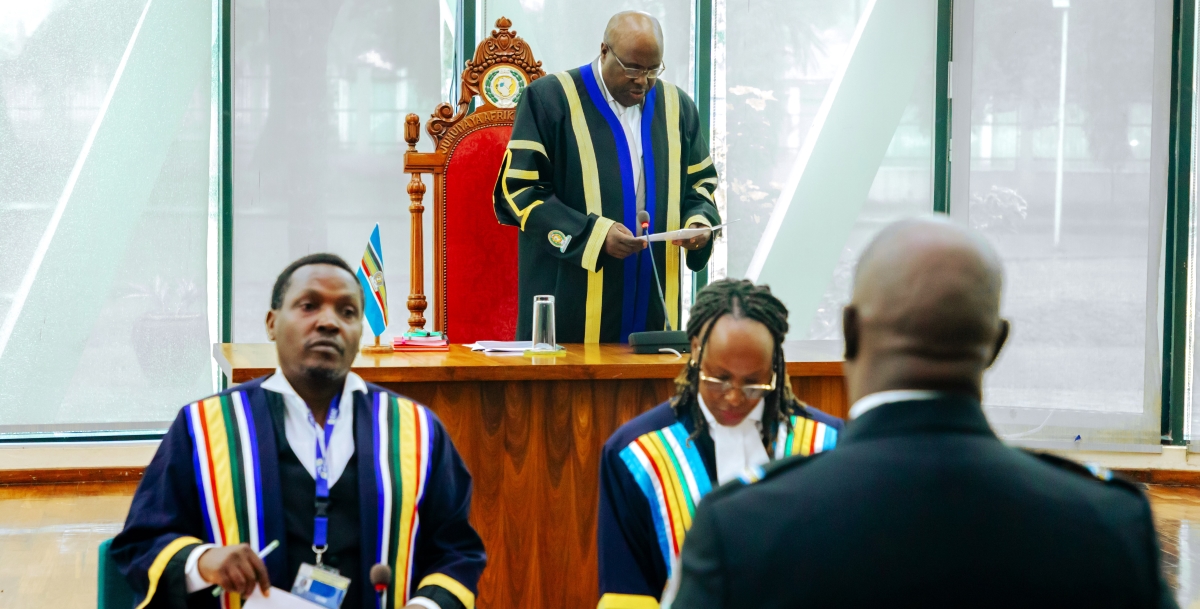
The motion to bring forward the Bill was presented in the Assembly by Rwandan legislator Fatuma Ndangiza and seconded by South Sudan’s Gai Deng, reflecting growing regional consensus on the urgency of coordinated action against trafficking.
Ndangiza told the Assembly that the proposed law is designed:
“to provide for the prevention and combating of trafficking in persons and for the protection, assistance, and reintegration of victims within the East African Region.”
Addressing cross-border trafficking networks
Lawmakers raised concern that trafficking syndicates are increasingly operating across multiple countries, taking advantage of differences in national laws, enforcement capacity, and prosecution standards.
The proposed regional framework aims to close these gaps by standardising legal definitions of trafficking, harmonising penalties, and establishing uniform procedures for investigation and prosecution across member states.
Strengthening regional cooperation
The Bill also proposes enhanced cooperation between immigration authorities, police forces, and judicial institutions across East Africa. Key measures include improved intelligence sharing, coordinated cross-border investigations, and joint operations targeting organised trafficking networks.
Officials argue that inconsistent enforcement has in some cases allowed suspects to evade justice by moving victims or evidence across national borders.
Focus on victim protection
A central component of the proposed law is a stronger victim-centred approach. It outlines provisions for the protection, rehabilitation, and reintegration of trafficking survivors, including access to shelter, medical care, legal aid, and psychosocial support services.
Special emphasis is placed on safeguarding women and children, who remain the most vulnerable groups affected by trafficking activities in the region.
Next legislative steps
The proposal has been forwarded for further drafting and committee scrutiny before returning to the Assembly for detailed debate. If approved, it would mark a significant step toward creating a unified regional legal response to human trafficking across East Africa.