The Ministry for Agriculture, Animal Industry and Fisheries (MAAIF) has noted that the increase in Global trade has made the international movement of plants and plant products a common occurrence but at the same time increased the risk of pest introduction and spread in the country.
The Ministry says Uganda has witnessed devastating effects of pests such as Fall armyworm reported in 2016, False codling Moths reported in 2012, Mango Mealybug in 2021, Banana Bunchy Top Virus Disease in 2022 among others.

According to the Commissioner Crop Protection Byantwale Stephen, late detection of these pests and untimely response has been costly: making the country lose billions of dollars in control in addition to loss of foreign exchange revenue to due reduced exports.
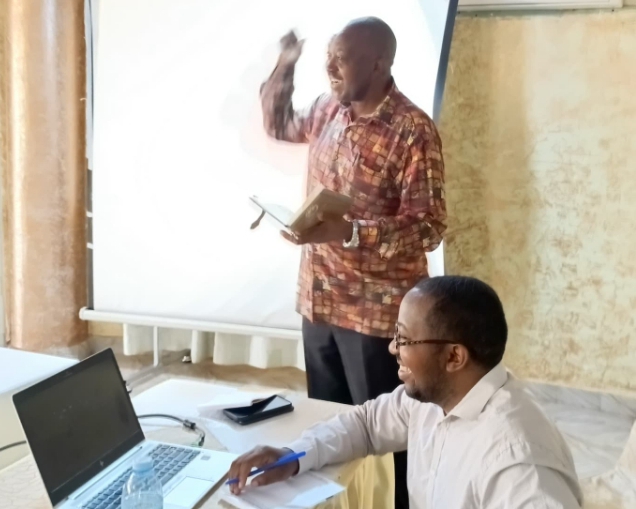
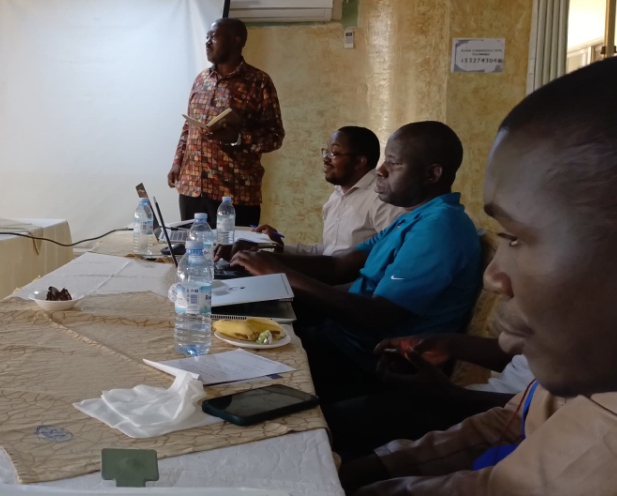
He made the remarks during an ongoing workshop involving MAAIF and National Agricultural Research Organization (NATO) scientists at Rider Hotel-Seeta to deliberate on Crop Pest Risk Analysis (PRA). The meeting is also being attended by officials from FAO-Uganda.
Byantwale high-lighted the role of Pest Risk Analysis in timely detection and response to new pest introductions.
“A pest risk analysis (PRA) evaluates biological, scientific and economic evidence to determine whether an organism has impact on agriculture” Byantwale explained.
He added that the PRA also helps to evaluate the likelihood of introduction, spread and potential economic and environmental consequences of a given pest in a certain area.
Meanwhile, Martin Ameu, a Program officer with FAO -Uganda appreciated the engagement with different stakeholders. Ameu noted that these PRAs are critical in protecting the country’s Agriculture, biodiversity and the environment from Alien pests that would rather be more devastating should they arrive in Uganda.
In another development, Dr. Joab Tugume, a Senior Agricultural Inspector in the Department of Crop Inspection and Certifications noted that the International Plant Protection Convention (IPPC) of the United Nations Food and Agriculture Organization (FAO) requires each country’s NPPO to be responsible for conducting pest risk analyses and taking appropriate phytosanitary measures.
The workshop is intended to come up with PRAs of High Risk pests like Clavibactor nebreskensis, Khapra Beetle, Cotton Mealybug in bid to enhance the country’s preparedness and Response.