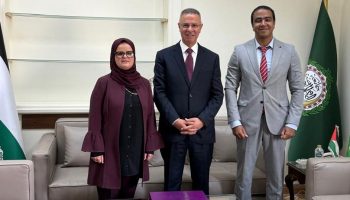
By Adv. Mariam Wangadya
On Wednesday, a devastating landslide engulfed six villages in Bulambuli District, eastern Uganda, claiming at least 15 lives and leaving over 100 people missing. Torrential rains triggered the disaster, burying homes and farmlands under mud. As rescue teams continue to search for survivors, the full extent of the tragedy becomes clearer. While heavy rains are common in this region, the scale of this disaster raises urgent questions about our collective failure to address climate change and the vulnerability of communities living in disaster-prone areas.

This was not a rare or isolated event. It is not the first. The Mount Elgon area is prone to landslides generally, yet communities continue to reside in these high-risk areas, often without the infrastructure needed to safeguard their lives and property.
Last week’s tragedy underscores a fundamental human rights issue: the right to life and security. Climate change is amplifying extreme weather events, and those most affected are the poorest communities—people who have the least resources to protect themselves. The residents of Bulambuli, who already live in poverty, lack basic protections such as early warning systems and disaster-preparedness infrastructure. As a result, they are suffering the most from the immediate impact of the landslides.
Climate change is not just an environmental issue—it is a human rights crisis. As global temperatures rise and weather patterns become more unpredictable, people everywhere are at increasing risk of losing their homes, livelihoods, and even their lives. The people of Bulambuli, like many others around the world, are not simply victims of nature. They are victims of systemic failures to address climate change, reduce vulnerability, and protect the most at-risk communities.
What happened in Bulambuli should serve as a stark reminder of the urgent need for robust disaster preparedness systems, particularly in areas prone to extreme weather events. Early warning systems are critical tools for saving lives. These systems can predict impending dangers, alerting communities to evacuate or take precautions. In Uganda, the lack of timely and accurate information about the risks posed by heavy rainfall and landslides left many residents unaware of the impending disaster. With better forecasting and communication systems, lives could be saved, and the damage minimized. The failure to inform and warn is a clear violation of human rights: people have the right to know the risks they face and to receive timely warnings that allow them to protect themselves and their families.

Similarly, it is important to remember that communities are not passive in this equation. While authorities must be proactive in providing early warnings, people also have a responsibility to act upon these alerts, evacuating when necessary and taking precautions to safeguard their lives. Disaster preparedness is a shared responsibility.
The government’s decision to relocate residents from landslide-prone areas is a step in the right direction. However, this response must be part of a broader, long-term strategy for climate resilience. Simply relocating people to new areas may not solve the underlying problem if those areas are similarly vulnerable to climate risks. Comprehensive planning is essential—relocation must be accompanied by infrastructure improvements and measures to reduce vulnerability in new locations.
As we focus on immediate relief efforts, we must also ensure that the survivors of this tragedy are not forgotten once the media spotlight fades. The people of Bulambuli need more than short-term rescue operations—they need long-term support to rebuild their lives. The right to recover from such a disaster is just as fundamental as the right to life itself. It is essential that those displaced by the landslides receive the resources they need to restore their homes, access healthcare, and recover emotionally and mentally from the trauma of such loss.
The landslide in Bulambuli is a tragic reminder of the growing human cost of climate change. If we do not act now to address the root causes of climate vulnerability, we will continue to witness such heartbreaking tragedies. The people of Bulambuli, like all people, have the right to live in safety, security, and dignity. It is our collective responsibility to ensure their voices are heard and their rights protected. The time to act is now.
My heartfelt sympathies are with those who have lost loved ones in this tragedy.
The author is Chairperson, Uganda Human Rights Commission (UHRC)