
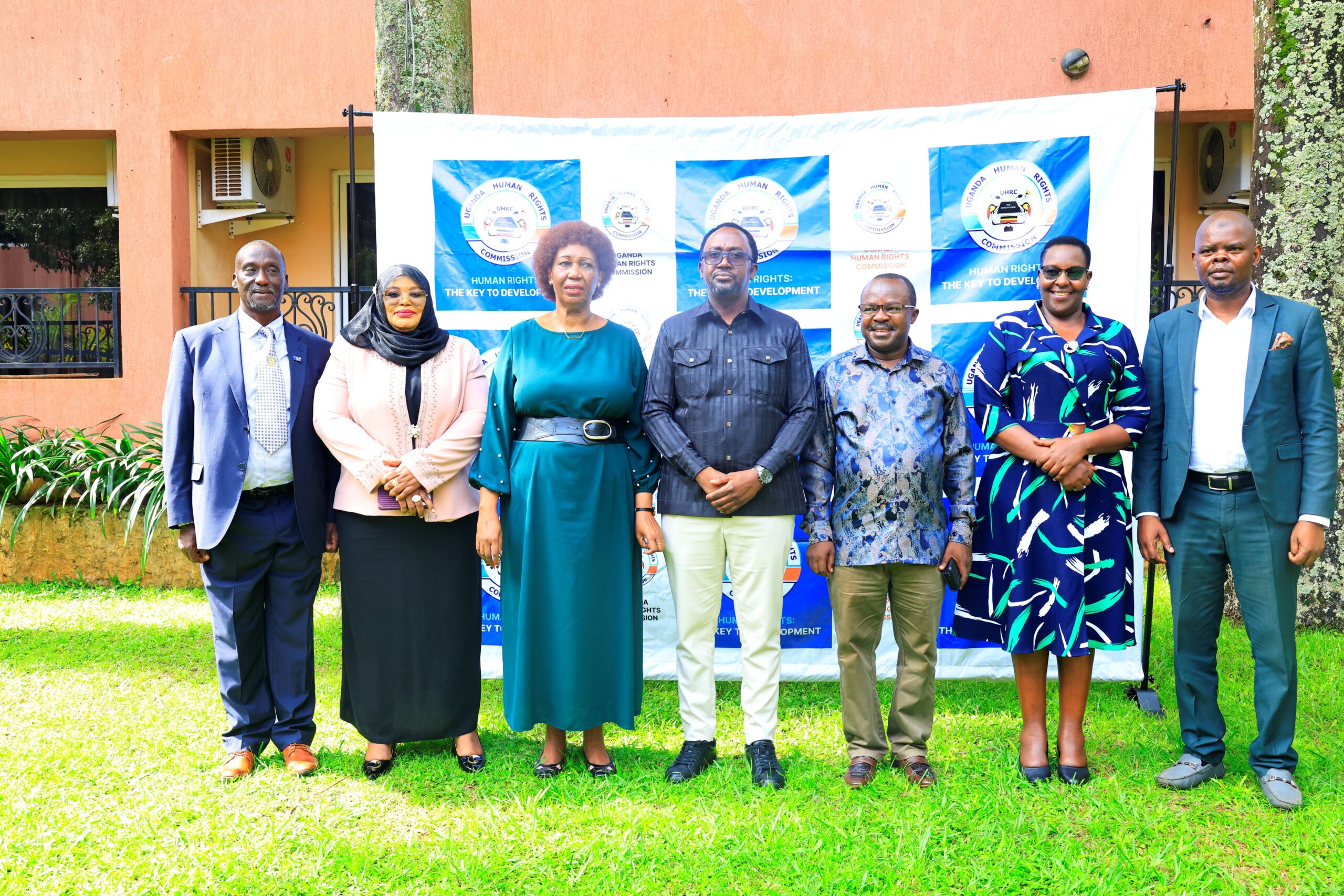
By Sadique Bamwita
The Chairperson of Uganda Human Rights Commission (UHRC), Hon. Mariam Wangadya, has presented the Budget review for the current Financial Year 2026/2027, urging government to urgently allocate more funds to the Commission totaling Shs.13 billion to facilitate investigation and tribunal sessions activities.

She made the remarks on November 4,2026, as the Commission reflected on it’s first quarter performance by considering priorities for the following financial year and also reflecting on the commission’s effectiveness, efficiency and economic use of resources through the monitoring and evaluation engagements carried out in the previous financial year.
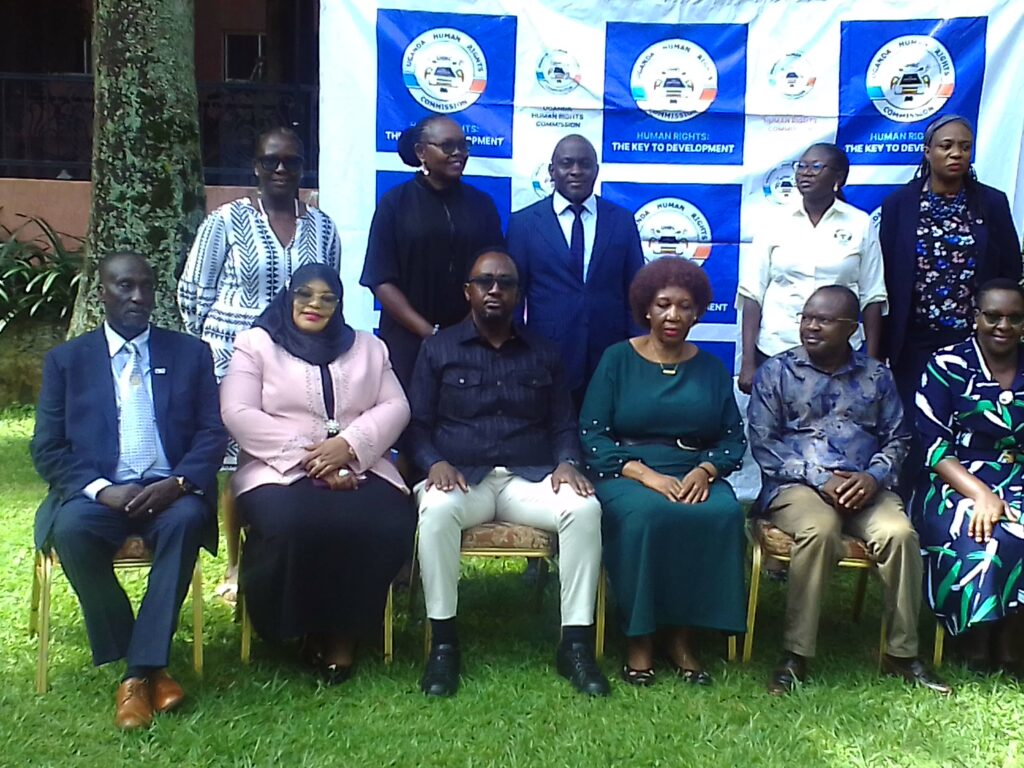
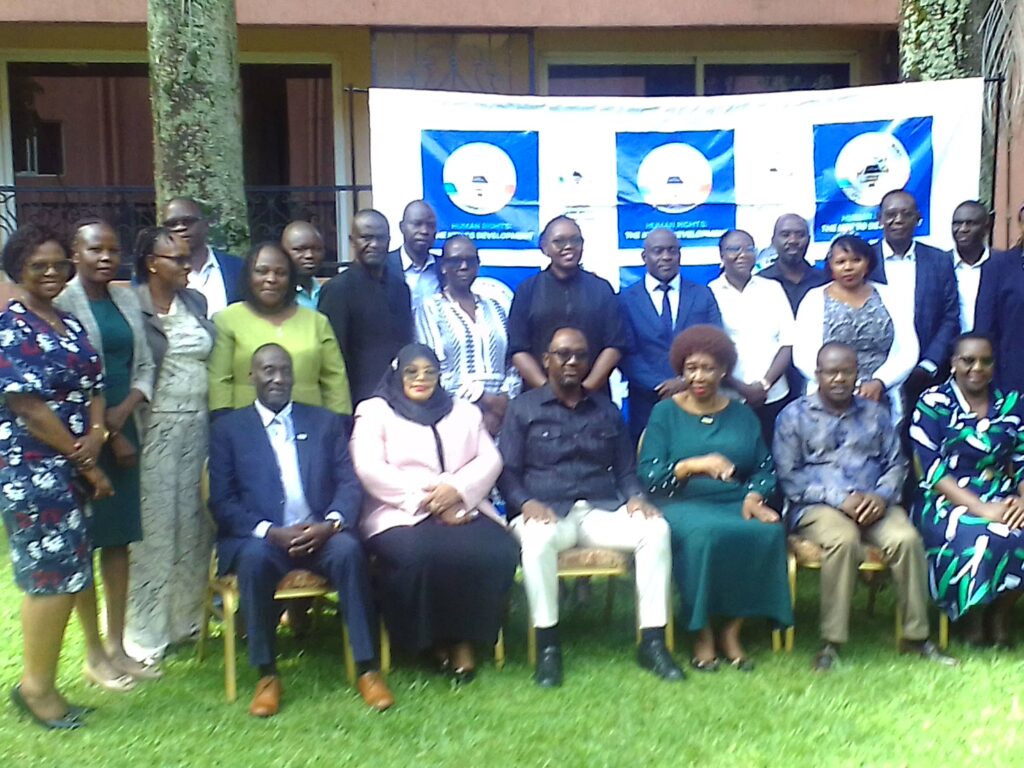
Wangadya appreciated members of the Commission for coming together for the aforementioned purpose, plus the Secretary to the Commission and the entire Management team for organising the ongoing three-day retreat being held in Entebbe.
She equally commended all her staff for their continued dedication and commitment to the Commission’s constitutional mandate, often under challenging operational and resource
constraints.
Wangadya noted that the retreat comes at a critical time when public institutions are increasingly expected to demonstrate efficiency, accountability, responsiveness and tangible results from the resources entrusted to them.
“As a constitutional body mandated to protect and promote human rights and freedoms in Uganda, the Commission bears a particularly important responsibility to ensure that its interventions translate into meaningful improvements in the lives of citizens, ” She said .
She also noted that the Commission’s mandate goes beyond receiving complaints, conducting investigations, inspecting detention facilities and undertaking civic education.
“Our effectiveness must be measured by the extent to which our interventions prevent human rights violations, improve access to justice, strengthen accountability of duty bearers and contribute to a society where human rights and fundamental freedoms are respected and protected.This retreat therefore, presents an opportunity to critically reflect on how effectively we are delivering on this responsibility and what we must do differently to achieve greater institutional impact,” She explained.
Wangadya reiterated that the review of the commission’s First Quarter performance for FY 2026/2027 provides an important opportunity to assess whether the commission is on course to achieve it’s annual targets and strategic objectives.
“I expect this review to go beyond presenting statistics and enumerating activities undertaken. We must interrogate the quality, effectiveness and outcomes of our interventions” she guided.
Wangadya added that the commission should go beyond reporting the number of complaints received or investigated, but be able to establish how many complainants accessed effective remedies, what institutional accountability was strengthened and what systemic improvements resulted from it’s interventions.
Similarly, Wangadya argued that detention monitoring and civic education activities should demonstrate how they have contributed to improved compliance with human rights standards, increased public awareness and behavioural or institutional change.

“This transformational reporting approach is what the Government is emphasizing to be done by all Ministries, Departments, Agencies and Local governments.Where performance has fallen below expectations, we must candidly identify the underlying causes and agree on practical corrective measures, ” Wangadya said.
Wangadya further noted that preparation of the FY 2027/2028 budget must be approached as a strategic exercise rather than a routine allocation of resources, adding that the commission’s budget must clearly reflect it’s priorities, respond to emerging human rights challenges and demonstrate a strong connection between resource allocation, planned interventions and expected results.
On this note, she challenged all Directors, Managers and Regional Human Rights Officers to critically examine their proposed priorities and ensure that every funding requirement is supported by a clear justification and demonstrable contribution to the Commission’s strategic objectives.
“We must move away from incremental budgeting that merely reproduces previous allocations and embrace strategic,evidence-based and results-oriented budgeting.Our priorities must address the persistent challenges affecting the Commission’s effectiveness, including the complaints backlog, limited geographical coverage, inadequate operational resources, emerging human rights concerns and the need to strengthen institutional capacity, ” Wangadya appealed.
In her conclusion, Wangadya reiterated that the true value of ongoing retreat will not be measured by the number of presentations made or discussions held, but by the quality of decisions reached and the extent to which those decisions translate into improved institutional performance.
She urged members to use this opportunity to strengthen their collective resolve to build a more effective, responsive, accountable and results- driven Uganda Human Rights Commission.
Meanwhile, UHRC Secretary, Kamadi Byonabye, revealed that the commission plans to establish three regional offices in upcountry areas under it’s Five- Year Strategic plan.
The Commission Planner Charles Mukasa Tebuseke, said the commission needs additional Shs.13 billion to top up on it’s annual budget allocation of Shs.33 billion. He believes that once the commission’s budget is enhanced, there will be no more case backlog.