President Museveni has explained the role played by student movements as Uganda struggled to rid herself of bad politics.
Singling himself out as one of the pioneers of organized student leadership in East Africa, the Head of State says Student Leadership is key in shaping the country as it for instance; in Uganda, triggered resistance against Sectarian Politics.

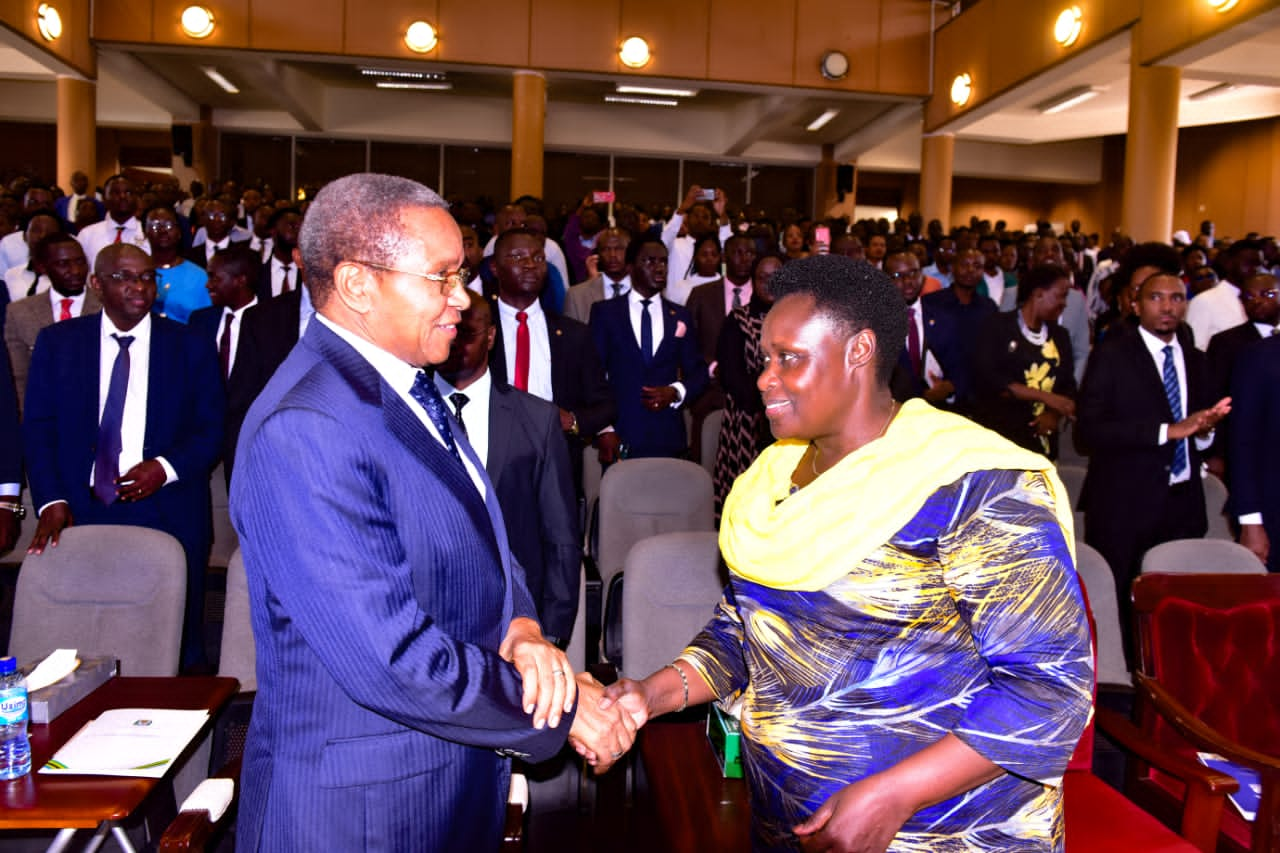
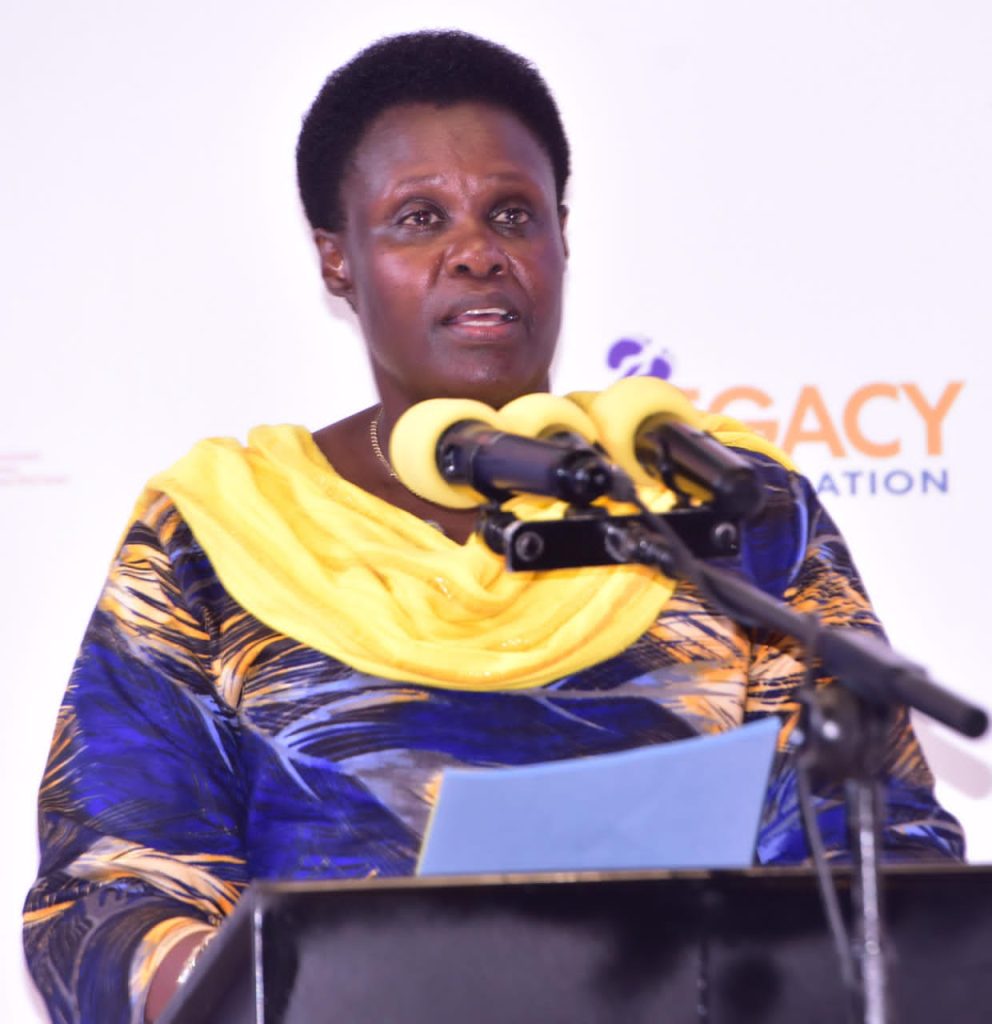
“I started working on changing the people around me, changing Uganda through the student Movement. In 1968, our student group visited the liberated areas of Mozambique while still a University student.Our student groups in the mid-1960s, triggered the resistance against sectarian politics” said in his speech delivered by Vice President Maj. Jessica Alupo who represented him at the opening of the Inaugural Guild Leaders’ Summit 2024 at Makerere University.
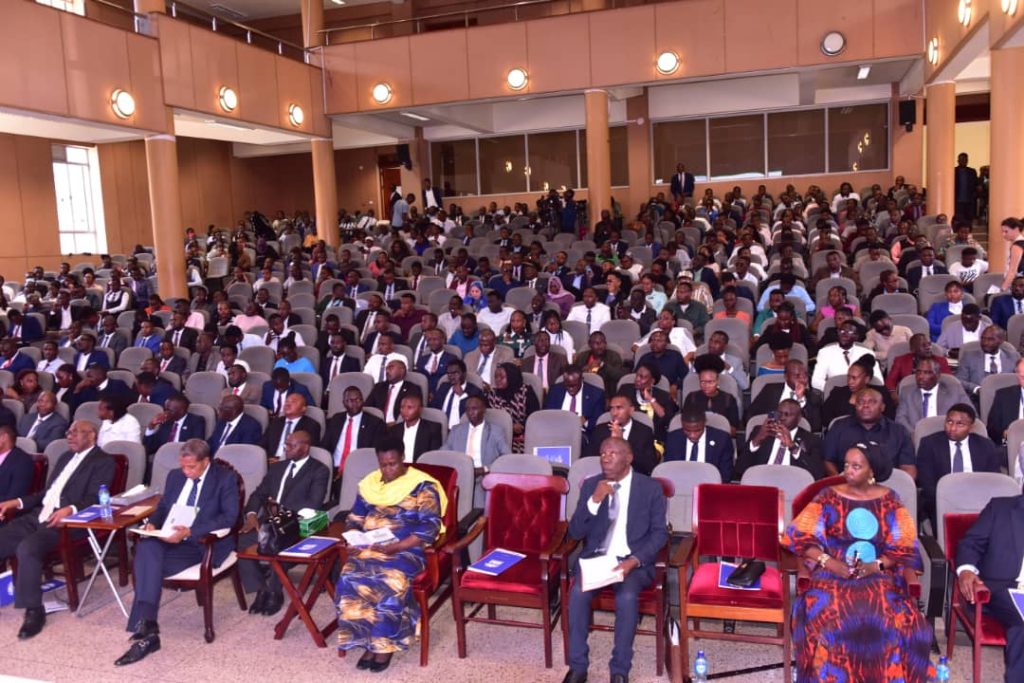
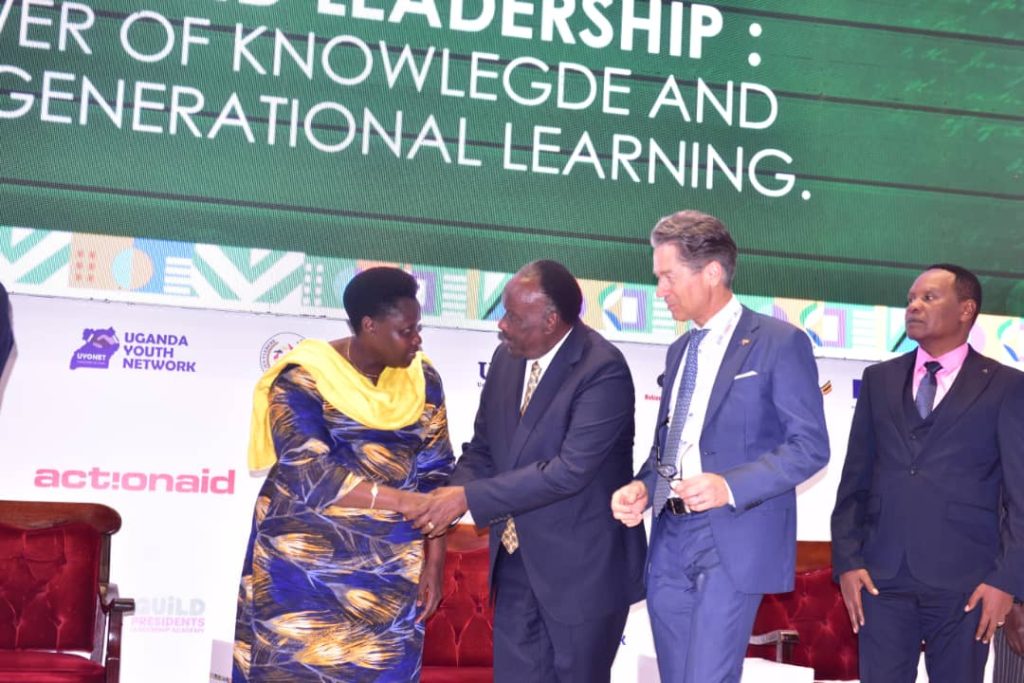
The Summit was convened under the theme: “Legacy and Leadership Continuum: The Power of Knowledge and Cross generational Learning.”
He emphasized the importance of student leadership but however, advised that it must be anchored on correct ideas. Museveni explained that this can be achieved by making a correct diagnosis of the problems of society and how to solve them.
“It is therefore, important for young leaders to understand the challenges or bottlenecks that precipitate social backwardness and engage in efforts to address those challenges” the president said.
CASE FOR UGANDA
Museveni who is also in history for having been the ‘National Eclipse Chief Viewer’, explained that his days of Student movement was able to identify 10 bottlenecks affecting Uganda’s development.
He outlined them as Ideological disorientation; A weak State especially the Army; Under-developed infrastructure such as the railways,roads, electricity, telephones and piped water; The underdevelopment of the human resource characterized with illiteracy and poor health and Interfering with the private sector either by policy or by corruption.
Other bottlenecks included A fragmented African market on account of colonialism; Exporting unprocessed raw materials due to lack of industrialization; The underdevelopment of the services sector such as hotels, banking, transport, insurance; The underdevelopment of agriculture and the attack on democracy.
He however, said that after many years of struggle and analysis, the NRM coined four principles to address such challenges. These included Patriotism which discouraged sectarianism based on religion or tribe, gender and marginalization of the youths and disabled persons.
Other solutions included Pan-Africanism and Socio-economic transformation so as to change Uganda from being a peasant society into a middle class and a skilled working class society.

“As more and more Ugandans wake up and select profitable enterprises in the four sectors of commercial agriculture, industries, services and ICT, production of Ugandan commodities and services will continue to go up. Therefore, it is easy to observe that in the long-run, our internal market of 45 million people is not enough” he noted adding that already with just little waking up of a few Ugandans, we now have surplus milk, sugar, bananas among others.
USEFUL SUMMIT
The president commended the organisers of this Summit which was also attended by former Tanzanian president Jakaya Kikwete among other Student leaders and young intellectuals.
“I urge you to harness the power of knowledge, embrace the spirit of cross-generational learning and build a legacy of leadership that will stand the test of time” he said through his 2iC who is also Katakwi district woman MP Alupo.