By Peter Luzinda
KIKUUBE — President Yoweri Museveni has warned that Uganda must invest its oil revenues in durable national assets and not waste them on imported luxury goods, as the country officially unveiled the brand name for its crude oil ahead of commercial production.

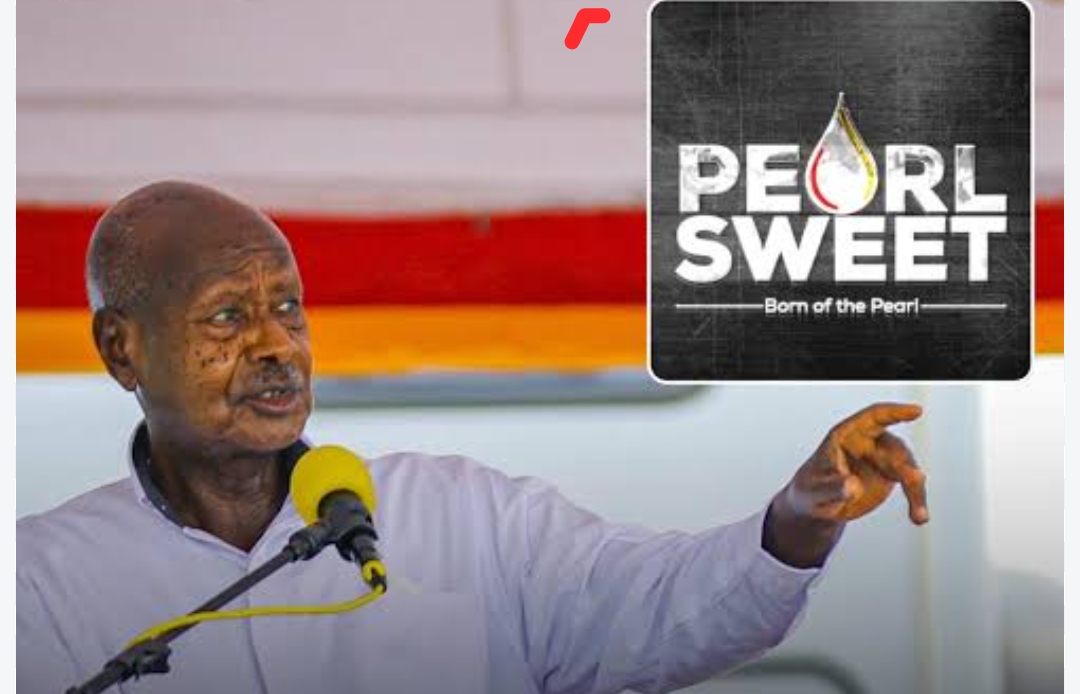
Uganda’s crude has been named “Pearl Sweet Petroleum”, a brand that will identify the country’s oil on the international market.
Museveni unveiled the name on Wednesday, September 2, 2026, at the Kingfisher Development Area in Kikuube District, during the official naming ceremony.
The President said petroleum is a finite resource and Uganda must learn from other oil-producing countries to avoid spending oil money on consumption.
“Future petroleum revenues should support investments in power generation, transport infrastructure, railways, universities, and other long-term national assets rather than increased consumption of imported luxury goods,” Museveni said.
He said oil money should build infrastructure that will continue to benefit Ugandans long after the reserves are depleted.
Refinery and gas use
Museveni defended Uganda’s decision to build a domestic refinery alongside the export pipeline, saying it will cut transport costs and reduce the $2 billion the country spends annually on petroleum imports.
The refinery plan is part of Uganda’s wider oil strategy that includes the East African Crude Oil Pipeline (EACOP), which will transport crude from western Uganda to the Tanzanian port of Tanga.
The President also said Uganda will not flare associated gas, but will use it to generate about 80 megawatts of electricity and to produce liquefied petroleum gas (LPG) for domestic cooking.
He reiterated his earlier proposal to create a sovereign fund to save and invest part of the oil revenues.

Local expertise and more exploration
Museveni recalled that Uganda initially lacked specialised personnel for the oil sector and had to send Ugandans for training in petroleum engineering and management abroad, which has since built a local pool of professionals.
He called for continued exploration in other sedimentary basins, saying current developments are only part of Uganda’s potential.
“The objective should be to ensure that the first barrel of oil is not the last,” he said.
Commercial production will be centred on two projects — the Kingfisher Development Area operated by CNOOC Uganda Limited, and the Tilenga project operated by TotalEnergies — linked to EACOP and the planned refinery.
Museveni’s warning comes as the legal framework for oil revenue management is already in place. Under the Public Finance Management Act, petroleum revenues must be deposited into the Petroleum Fund, with withdrawals requiring parliamentary approval and transfers to the Consolidated Fund restricted to financing infrastructure and development projects, not recurrent expenditure.