
Uganda has registered notable progress in the implementation of the 2021–2026 NRM Manifesto, with a new End-Term Validation Report showing improved performance across key sectors of the economy. According to the report prepared by the Office of the President through the Manifesto Implementation Unit (MIU), overall implementation rose from 84% at mid-term to 87% at end-term.
The improvement reflects accelerated delivery of government programmes despite global economic shocks, fiscal pressures and the after-effects of the COVID-19 pandemic.

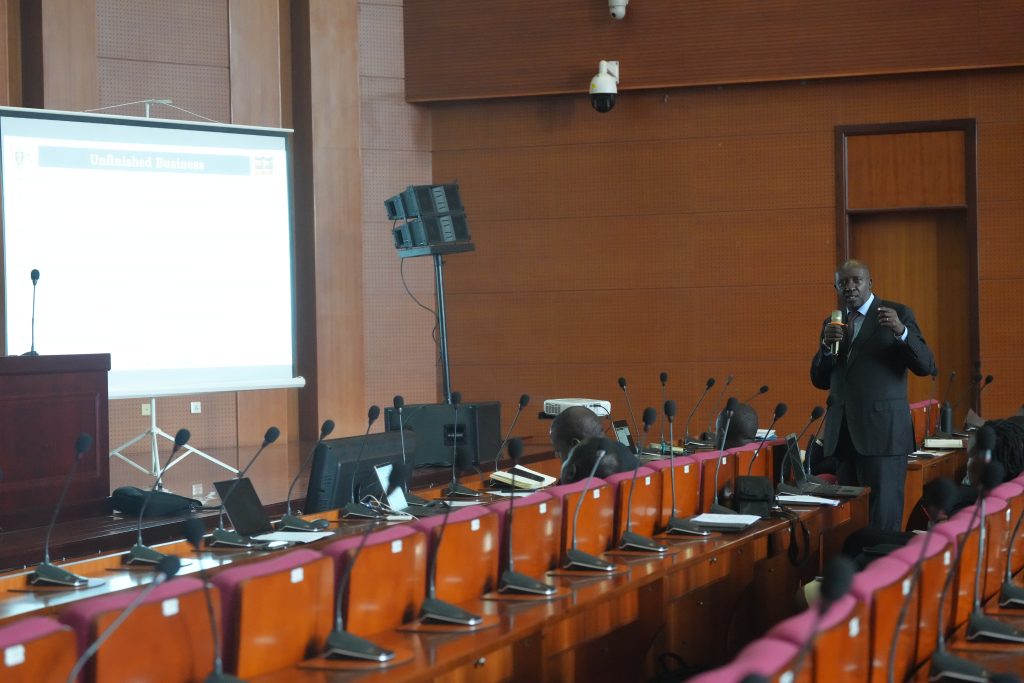
Presenting the findings at a manifesto end-term validation meeting last Friday, MIU Director Mr. Willis Bashaasha said the end-term review exercise began in June 2025, following the mid-term review that concluded in April 2025.
He explained that the review was conducted by a highly technical, multi-agency team constituted by the Secretary to the Presidency and drawn from the Office of the President, the National Planning Authority, the Ministry of Finance and the Office of the Prime Minister.
“The team applied a robust methodology combining desk research, field verification and multi-stakeholder consultations at both central and local government levels,” Bashaasha said.
The report also notes that the NRM Manifesto was aligned by 95% with the Third National Development Plan (NDPIII), ensuring consistency between political commitments and national development priorities.
Clear Gains Since Mid-Term
Comparative analysis between the mid-term and end-term reviews shows a clear upward trajectory in implementation, underscoring government’s commitment to its service delivery social contract with the wananchi.
By November 2024, the mid-term review showed that government had fully implemented 35% (281) of the 809 manifesto commitments, with 49% (395) ongoing and 16% (133) not yet started.
By end-term, performance had improved significantly. The latest report shows that 54% (434) of commitments were fully achieved, 36% (288) were ongoing and only 10% (87) remained unimplemented.
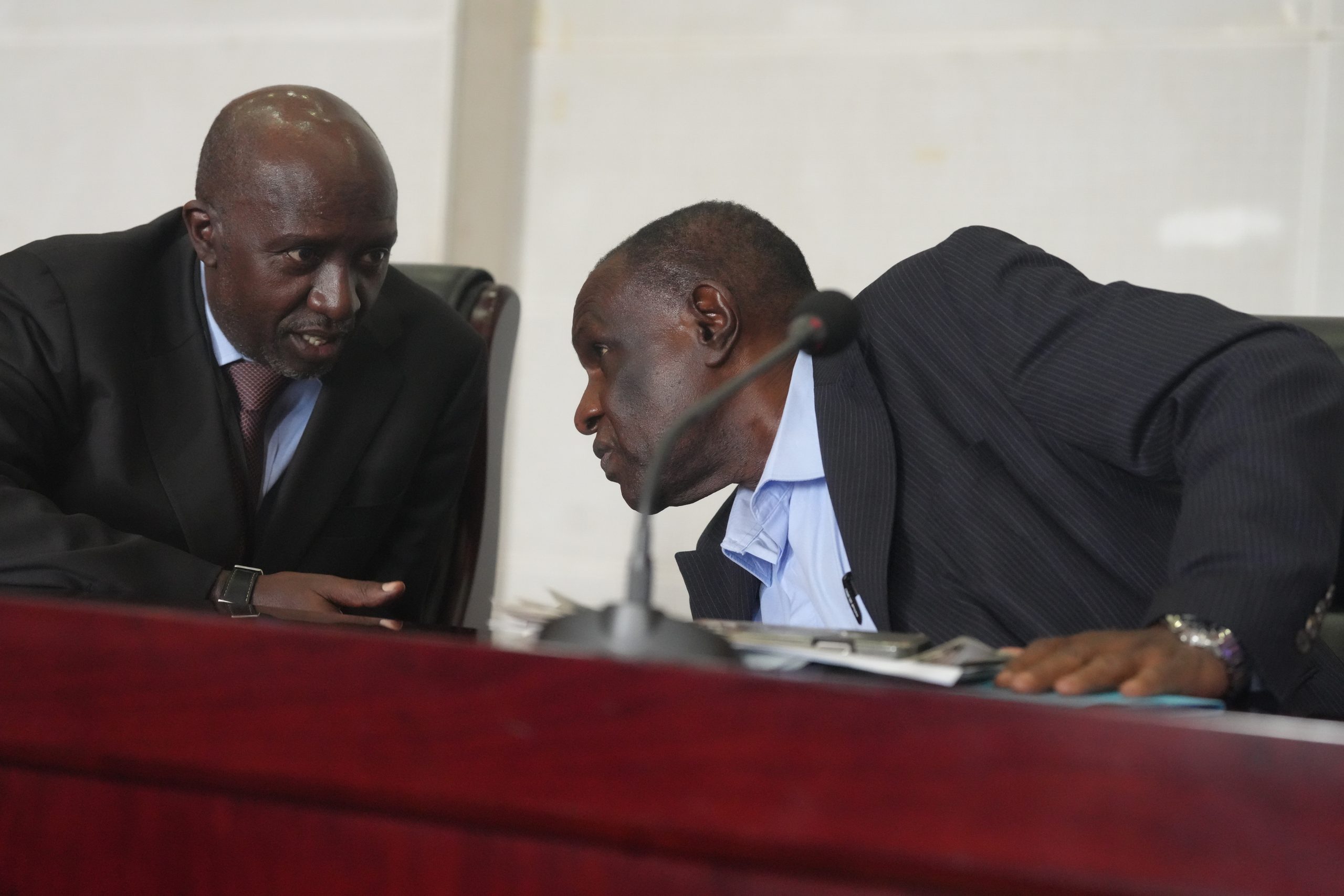
The Permanent Secretary in the Office of the President, Hajji Yunus Kakande, said the 12-percentage-point increase in fully achieved commitments reflects strengthened coordination and implementation across government.
“This performance demonstrates government’s resolve to improve the lives of Ugandans, even as the administration approaches the end of its term,” Kakande said.
Economy Anchors Delivery
The report attributes much of the improved performance to the resilience of Uganda’s economy, which withstood the pandemic, geopolitical shocks and global market disruptions.
Real GDP growth recovered from 3.0% in FY2019/20 to 6.3% in FY2024/25, expanding the economy from Shs 128.5 trillion to Shs 226.3 trillion. It is projected to reach Shs 254.2 trillion by FY2025/26.
Poverty levels declined from 21.4% in 2016 to 16.1% in 2025, while the proportion of households engaged in subsistence production fell sharply from 68.9% in 2010 to 33.1% by FY2023/24. The gains are largely attributed to financial inclusion programmes such as the Parish Development Model (PDM), Operation Wealth Creation (OWC) and Emyooga.
Sector-by-Sector Progress
Implementation was assessed across five thematic areas of the Manifesto:
Creating Jobs and Wealth for All
Covering industrialisation, infrastructure, rural development, oil and gas, minerals and tourism, this area recorded one of the strongest improvements. Achievement levels rose from 32% at mid-term to 51% at end-term, driven by investment in industrial parks, rural roads, oil and gas development and sustained economic expansion.
Delivering Education, Health and Water
Achievement levels increased from 42% to 61%, while unimplemented commitments reduced from 9% to 6%. The report credits expanded school infrastructure, upgraded health facilities and improved water coverage across districts.
Ensuring Justice and Equity
Focusing on law and order, anti-corruption, affirmative action and land issues, this area improved from 35% to 63% achievement, with no commitments left unimplemented at end-term.
Protecting Lives and Property
Covering security, disaster preparedness, environmental protection and climate action, achievement levels rose from 45% to 57%, while unimplemented commitments declined.
Achieving Economic and Political Integration
Although fewer in number, commitments under this area maintained steady momentum, with 60% achieved and 40% ongoing at both mid-term and end-term.
What Drove the Gains
Key drivers of performance included the rollout of the Parish Development Model, sustained peace and security, data-driven implementation supported by UBOS, NPA, OPM and MoFPED, and improved inter-agency coordination under the Office of the President.
Laying Ground for the Next Manifesto
Bashaasha said the end-term review goes beyond accountability and provides actionable recommendations for the next NRM Manifesto, some of which have already been incorporated into the 2026–2031 framework.
“These gains form a solid foundation that government intends to protect, consolidate and build upon,” he said.