By Juma Nsubuga
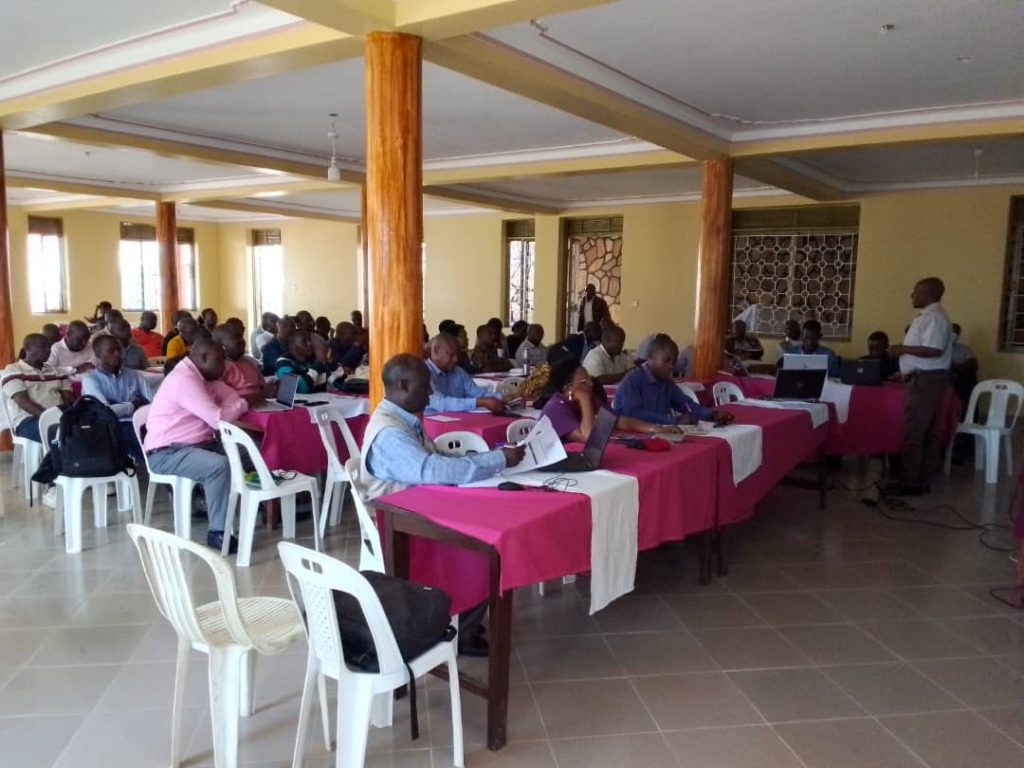
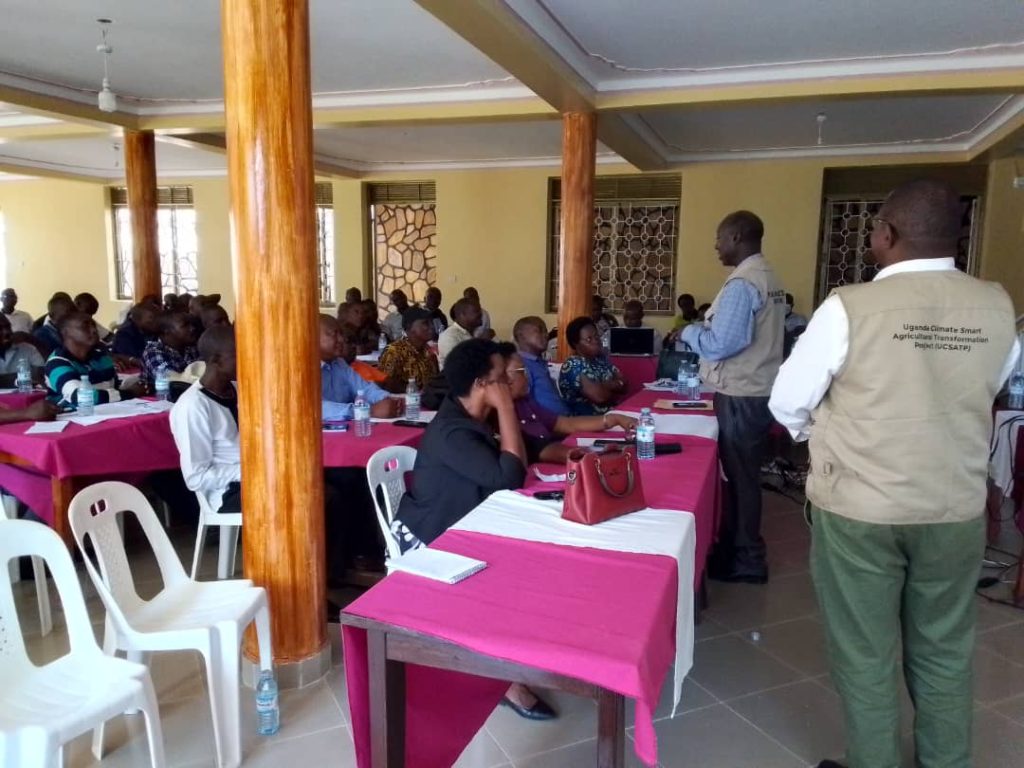
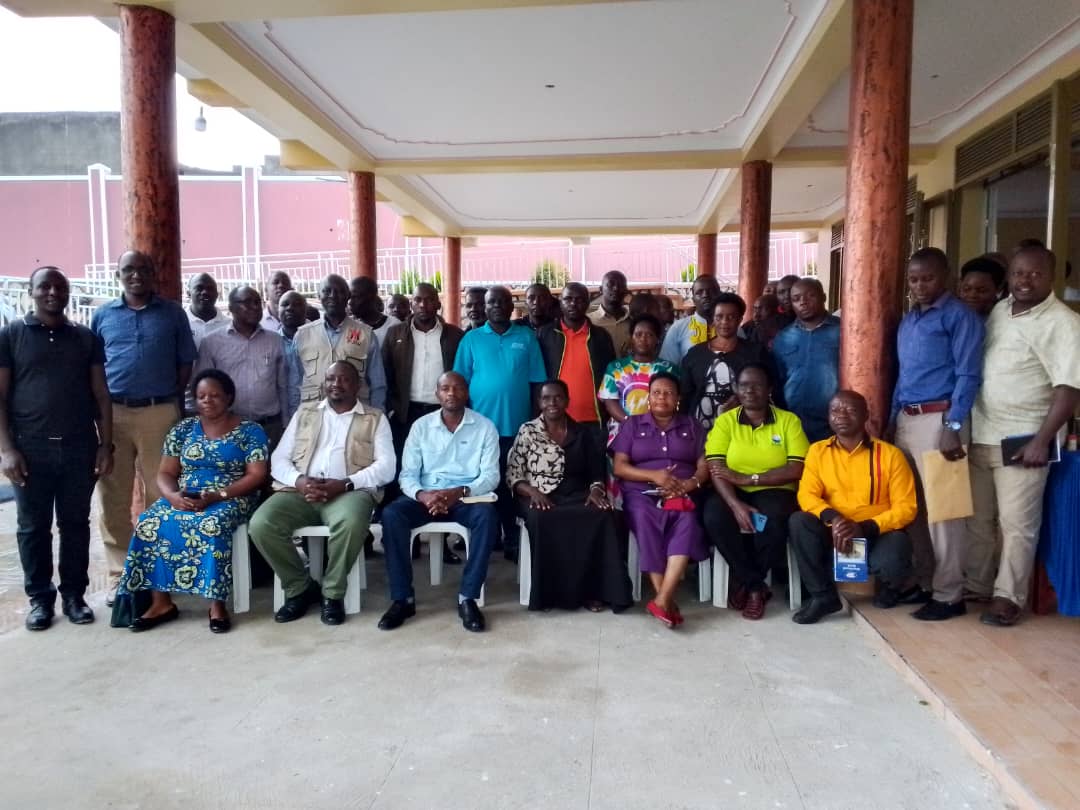
The Ministry of Agriculture Animal Industry and Fisheries has today 18th December, 2024 successfully concluded the two weeks stakeholders engagements for Uganda Climate-Smart Agricultural Transformation Project in Rwenzori sub-region.

In his closing remarks, the Deputy Project Coordinator, Alex Asiimwe who represented the Permanent Secretary during closer of Kamwenge stakeholders engagement thanked the leadership of the District for the team spirit exhibited.
He said, it is difficult to find all District leaders seated and attentively listening to the message of development. Asiimwe assured beneficiary Districts that the management of MAAIF is ready to serve the farmers and urged extension workers to go and mobilize and sensitize farmers so that come February next year, all selected farmer groups start receiving inputs/materials.
“My prayer is that the District leadership embrace this project because it has come to transform our farmers. So, let us engage a higher gear in the implementation”. Asiimwe said.
Karungi Joseph, the Kamwenge District Chairperson thanked Ministry of Agriculture for choosing Kamwenge as one of the Districts to benefit from the project.
He said selecting Kamwenge to be one of the beneficiary Districts from the project is a big challenge to the entire District leadership.
“It is a challenge to us because we must work hard to ensure that World Bank ranks Kamwenge as the best District in implementing this project. If we don’t work hard, it will be a betrayal to our son the Minister”. He said.
The project looks at supporting ten (10) crop value chains, including coffee, cocoa, mango, citrus, hass avocado, cashew nuts, cassava, soybeans, sorghum, and maize, and therefore urged farmers and leaders to embrace and give the project all the necessary support in the District.
Other value chains to be supported by the project are Dairy and Beef, Fish capture and aquaculture, and beneficial insects, which include Bees and Black soldier flies (larvae).
The project is supported by the World Bank and the government of Uganda and is being implemented in 69 districts, of which seven (7) will be refugee-hosting districts and communities.
“We expect the sub-county chiefs and extension workers and community development officers to help the leadership in the District and farmers out there because you now properly understand the objectives of the project”. Ms Florence Kabugo, a consultant from the World Bank said.