The Uganda Human Rights Commission (UHRC) is not happy with the way human rights activists in the country have gone mute when attacks are being made on some of the key female leaders in the country.
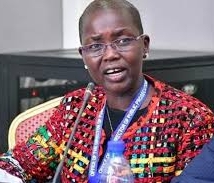
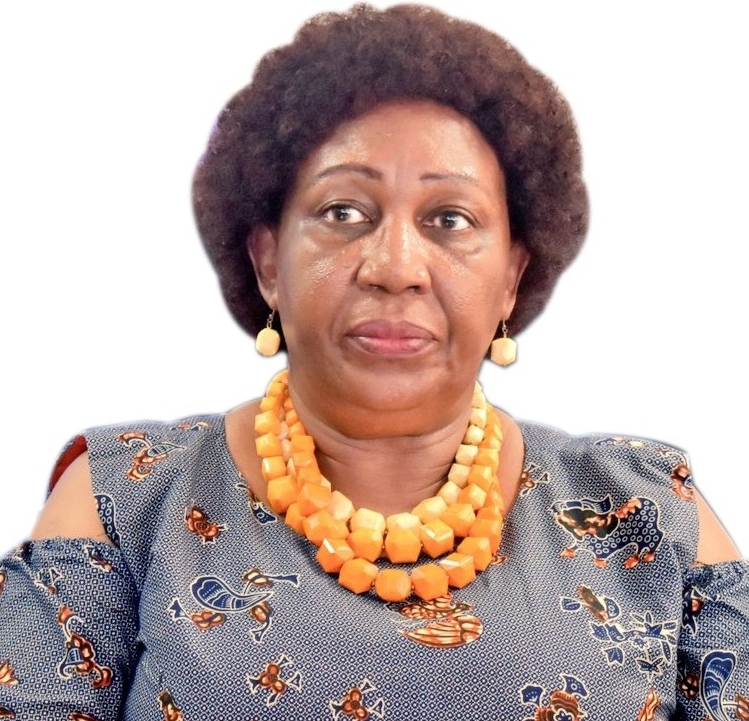
According to the Commission’s Chairperson Adv. Mariam Wangadya, there’s what she termed as troubling silence from key human rights defenders and organizations in Uganda when inflammatory campaigns target women leaders.

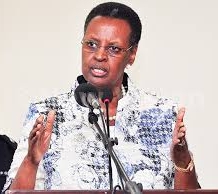
“Let me take this opportunity to voice this growing concern. Why is this the case? Not long ago, we saw vulgar assaults on First Lady Janet Museveni. More recently, there have been relentless attacks on the Director of Public Prosecutions, Jane Frances Abodo. Yet, rights activists and more particularly women rights defenders, who should be the loudest in defense, have remained silent. Why?” She wondered.
Wangadya who also said has been a victim of such negative attacks, described this silence as not only disheartening, but also concerning.
“We must remain present and consistent in voicing support for our women leaders who are facing unwarranted attacks in the public sphere. I too, have been a victim at some point, and I know the magnitude of what I am talking about” she assured.
The UHRC boss made the remarks during a high-level multi stakeholder national public dialogue for the joint commemoration of the International Human Rights Day 2024 themed: “Reducing inequalities in the enforcement of environmental rights and in the mitigation of the impact of environmental degradation in Uganda.” but with the national theme being “reducing inequalities in the enforcement of environmental rights and mitigating the impact of environmental degradation in Uganda.”
The learned lady from Masaabaland noted that women, especially those in positions of leadership need to be protected from such indignities and shouldn’t be abandoned in the face of such targeted hostility.
“Therefore, as we commemorate this International Human Rights Day, I encourage all human rights defenders to reflect on their silence and consider whether their inaction is in alignment with their own principles of defending human dignity and equality” she urged.
Wangadya noted that today, there are communities whose rights are being eroded by the stigmatization of their identity.
“While we do not explicitly call for any specific agenda, we must ask ourselves how we, as a society, can ensure that the rights of all individuals, regardless of their identity or orientation, are equally protected under Uganda’s human rights framework. Let us all recognize that human rights are indivisible. They are not selective, and they are not limited to one group or issue. They belong to every person, irrespective of gender, background, or status. We are called upon to protect and promote these rights for all” she said.
ENVIRONMENTAL RIGHTS
The UHRC supremo reaffirmed the Commission’s commitment to investigating violations of environmental and other human rights and making necessary recommendations.

She said that this year’s theme on environmental rights is important in light of the growing environmental challenges that Uganda faces.
Citing the recent tragic landslides in Bulambuli and the ongoing flooding in areas like Kasese, Mbale, and Pakwach—and even within Kampala city, Wangadya said the Commission continues to witness the devastating effects of environmental mismanagement.
“Long-standing issues such as deforestation, mining, and unsustainable agricultural practices continue to harm the environment and, by extension, human rights. The right to a clean and healthy environment is inextricably linked to fundamental human rights such as the right to life, health, food security, and adequate housing. It is a communal right that requires collective action from all sectors of society” she said.
She lectured that Environmental degradation exacerbates inequalities, impacting vulnerable communities disproportionately, and is also a barrier to the country’s shared vision of a sustainable future.
Wangadya reiterated the Commission’s determination to continue monitoring these rights and provide recommendations to address the gaps that perpetuate inequalities.
“The encroachment of wetlands, for example, has led to flooding and soil degradation in several regions, as evidenced in Kasese, Mbale, and Pakwach. I want to commend the enforcement agencies for their efforts to address these violations; but at the same time, I urge the public to desist from settling in wetlands, as this poses serious risks to both the environment and communities” she said.
Wangadya also said in refugee settlements, like Kyangwali, Bidi Bidi, Rwamwanja and Oruchinga, the demand for firewood and other natural resources has led to encroachment on protected ecosystems, noting that refugees in Uganda consume an estimated 1.1millon tons of firewood annually.
“This puts significant pressure on Uganda’s already fragile environment.
The UHRC continues to highlight the adverse impact of such practices where deforestation and environmental degradation are most pronounced today” she said.
She urged government to work with the relevant stakeholders to strengthen early warning systems and disaster responses to mitigate the loss of life and property caused by environmental disasters.
“The pain and suffering we’ve witnessed in 2024 due to environmental disasters should serve as a stark reminder of our shared responsibility to act” Wangadya said.