
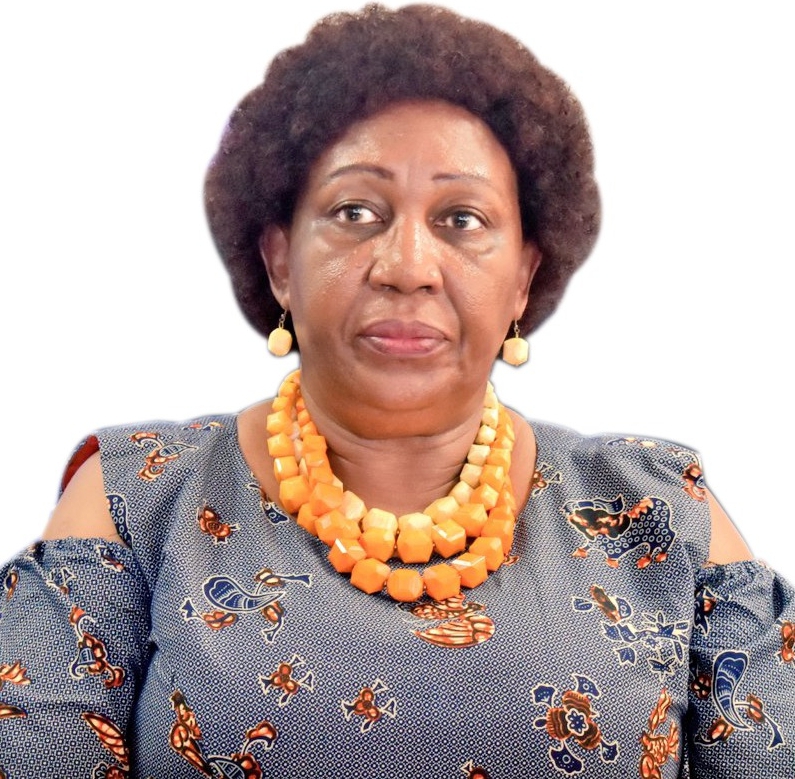
By Adv. Mariam Wangadya
Freedom of expression is more than just the right to speak one’s mind—it’s the right to peacefully demonstrate, to bring attention to issues that hit close to home, and yes, sometimes, to make a bit of noise to get the duty bearers to notice.

In Uganda, as we approach the 2026 elections, the ability for citizens to demonstrate and raise their voices on matters like corruption is essential to ensuring that our leaders stay accountable. However, recent events have shown that when citizens exercise this right, the response can sometimes be less than encouraging.
Consider the recent case of young men in Kole District who were arrested and detained for protesting the state of local infrastructure. Their message was simple: roads are in shambles, and they wanted answers. For the youth of Kole, bad roads aren’t just a nuisance; they are a barrier to economic growth, access to healthcare, and education. Their protest was not anarchy—it was a plea for attention to an issue that affects daily life. But instead of being met with solutions, they were met with handcuffs, courtrooms, and bail conditions.
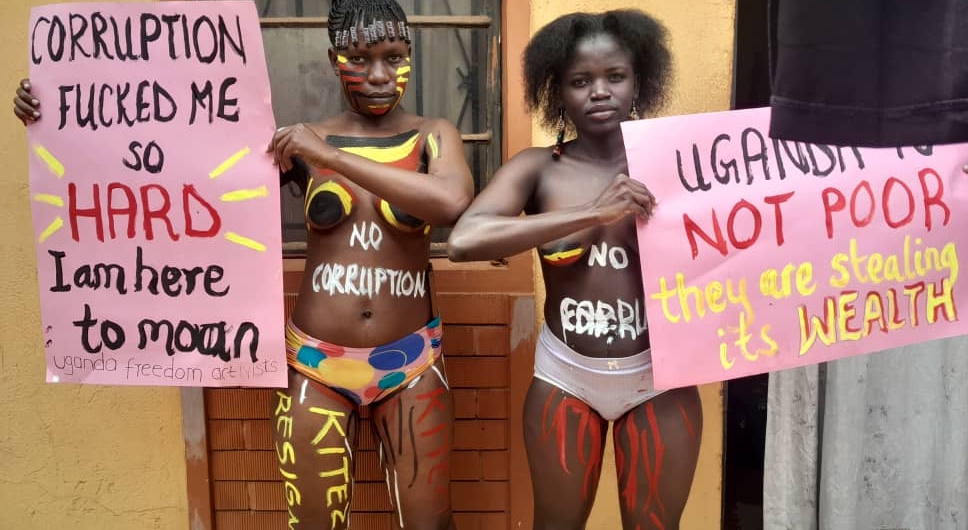
Then there were the Buganda youths, a few of whom were detained after they demanded an apology from the Speaker of Parliament for comments they felt disparaged Buganda. And who can forget the three half-nude young women who marched towards Parliament to protest corruption? It was a dramatic, unforgettable sight intended to convey deep frustration. But as we saw, these demos were not taken as feedback from citizens with genuine concerns but were treated as disturbances to be subdued.
This, however, is not a case for blaming state authorities entirely. Security forces, after all, have a mandate to ensure peace and order, and they often face complex situations where they must balance public safety with the freedom to demonstrate. Nevertheless, we need to find a way to uphold this delicate balance, allowing citizens to exercise their right to expression without casting them as nuisances or threats.
Freedom of expression is foundational to meaningful participation, a concept that’s often lost in translation. Meaningful participation doesn’t just mean showing up to vote every five years—it means actively engaging in the democratic process, voicing concerns, and holding leaders accountable.
For citizens to truly participate, they must have the freedom to raise their voices, even loudly, when the situation calls for it. After all, a government that can listen and respond to criticism is one that is more likely to govern effectively and sustainably.
Moreover, when citizens can speak openly, it helps diffuse tensions and resolve differences peacefully. Imagine a society where every grievance is allowed to fester in silence; eventually, those tensions will erupt, often in less peaceful ways.
Uganda’s history shows us that repressive measures against peaceful expression only serve to magnify resentment. Ugandan regimes before the 1980s are a key testament to this.
By allowing citizens to express dissatisfaction openly, Uganda can continue building a more peaceful society, one where differences are aired, understood, and, ideally, resolved. Freedom of expression also promotes accountability, a key driver of sustainable development.
When people can call out corruption or inefficiency without fear of reprisal, leaders are less likely to slip into complacency or abuse of power. Sustainable progress depends on leaders who prioritize public needs over personal gain.
Leaders should follow the example set by President Yoweri Museveni—see public critique not as a personal attack but as a vital part of the democratic process—a reminder that they are in office to serve the people.
As we edge closer to 2026, freedom of expression will be essential for citizens to communicate their priorities and concerns. Letting Ugandans voice their discontent or even satisfaction, even if it means a few peaceful demonstrations here and there, will lead to a more engaged society and one that feels connected to the direction the country is taking.
In the end, freedom of expression is not an inconvenience; it is a cornerstone of a healthy democracy. If we all can view it as an opportunity for dialogue rather than disruption, then we will find that Ugandans have a lot to offer in terms of insight and ideas for national progress. After all, no one understands the challenges facing Ugandans better than Ugandans themselves.
So as the road to 2026 unfolds, let’s hope for a Uganda where voices are celebrated, creating a society where everyone—whether a Kole youth or a Buganda activist—feels they have a say in the future of their country.
The author is Chairperson, Uganda Human Rights Commission and an Advocate-Supreme Court