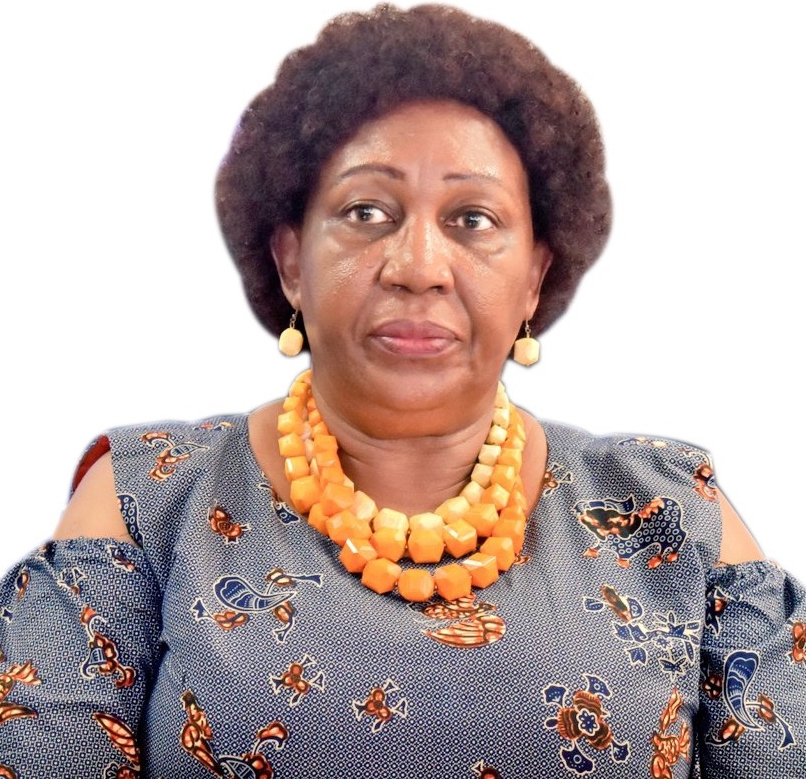
By Mariam Wangadya
Uganda has long been known for its open arms to refugees and neighbors alike. Our legacy of compassion stretches back to pre-independence days, welcoming those in need and offering not just safety, but a place to rebuild.

During World War II, Uganda became a haven for 6,443 Polish refugees escaping the atrocities of Nazi occupation. In a remarkable gesture, we welcomed 704 elderly men, 2,833 women, and 2,906 children who settled in Masindi, Koja, and Kampala. These Poles became a vital part of Uganda’s social fabric, enriching our culture and history. Some of their descendants live among us to this day, a testament to the strength of Uganda’s enduring hospitality.
This legacy of openness continued in the 1970s when many of our leaders and parents sought refuge in neighboring countries, escaping Uganda’s own dark period of turmoil. Nations like Kenya and Tanzania extended the same compassion Uganda had once shown to the Polish refugees.
We owe a deep debt of gratitude to those countries, and as Ugandans, we carry forward this legacy by embracing others in need.
Today, Uganda remains a leader in refugee hospitality. Our Refugees Act of 2006 is one of the most progressive frameworks worldwide, granting refugees the right to work, move freely, and own businesses.
Unlike many countries, we don’t confine refugees to camps; we integrate them into our communities. And they do more than simply integrate—they contribute.
Last year alone, refugees injected an estimated $400 million into Uganda’s economy through taxes, business ownership, and consumer spending. These contributions are not just numbers on a spreadsheet; they’re real benefits felt in communities across the country.
Yet recently, there’s been a troubling surge of xenophobic sentiment aimed at Eritrean, Somali, and Ethiopian communities in Kampala’s Makindye and Rubaga neighborhoods. Online forums are filled with complaints about these groups “taking over” business spaces in Nsambya, Kabalagala, Kansanga, Bunga, Buziga, Mengo-Kisenyi allegedly driving up rents and limiting affordable housing for Ugandans. These critiques may come from genuine concerns, but they are misdirected.
Let’s remember that Uganda’s borders are nothing more than artificial lines drawn by colonial rulers. As Africans, we share far more in common than what separates us. In fact, even my own family is split by one of these colonial borders, with part of it residing in Kenya. Yes, we’re one of those “cross-border families” who view border crossings as a mere formality—thanks to the European mapmakers of old. Why must we continue clinging to divisions handed down by people who didn’t know us or our connections? Have we forgotten President Museveni’s tireless push for regional integration? The goal has always been to bridge, not reinforce, these lines. We don’t need reminders of colonial-era separation—we need to focus on what brings us together.
In fact, the connections we’re fostering today are often deeply personal. My own daughter-in-law is Ethiopian, and she has blessed me with a beautiful grandson. He’s Ugandan and Ethiopian, his character enriched by both cultures. These connections bring our region closer, breaking down barriers and giving our children a world that feels both diverse and united. Surely, if my family can happily navigate the “East African integration experiment,” then the rest of us can, too!
The rising property prices some Ugandans worry about aren’t solely due to foreign residents; they’re part of the growth of a city in demand by both locals and newcomers. This economic trend means opportunity, not displacement. Higher property values translate to more income for Ugandan landlords and increased investment. Instead of seeing foreign communities as competition, why not view this as a vibrant, growing market we can all participate in? Some critics argue that foreign communities are “too hardworking.” Well, if hard work is a crime, then Uganda could use a few more “offenders.” Eritrean, Somali, and Ethiopian communities have a reputation for entrepreneurial spirit, resilience, and ambition. These are values that resonate deeply with many Ugandans. Instead of resenting these qualities, let’s celebrate them.

Hard work, creativity, and a drive to succeed are traits that benefit us all. Working alongside these communities offers us an opportunity to learn and grow. The truth is, these communities are far from a burden—they’re partners in our growth. Refugees and foreign residents run businesses, create jobs, pay taxes, and contribute to our GDP. These aren’t just contributions to Uganda; they’re investments in our shared future. When foreign-owned shops open next to Ugandan businesses, they add diversity to the market, attracting more customers and enhancing our communities.
From a human rights perspective, Uganda’s approach to refugees reflects the best of our national character. The Refugees Act of 2006 isn’t just legal policy; it’s a declaration of our commitment to dignity, equality, and respect for all. We value these principles not just in theory but in practice, and by welcoming refugees, we honor those ideals. When xenophobic attitudes start creeping in, they threaten not just our communities, but our very identity.
Uganda has a rich history of hospitality, and it’s one we should be proud to uphold. Embracing diversity has always brought benefits, both economically and socially. Research has shown time and again that nations embracing multiculturalism experience stronger growth, and Uganda is no exception. Foreign residents and refugees don’t just take from us—they give back, enriching our culture and strengthening our economy.
My fellow Ugandans, let’s remember who we are. Our history shows that we are stronger when we embrace others, not when we shut them out. The hospitality we extended to Polish refugees in the 1940s and the compassion we received during our own times of need are part of the fabric of who we are. Refugees and foreign communities are not a threat to our way of life; they are a testament to our resilience and shared humanity.
By choosing tolerance over fear, Uganda can continue to stand out, not just in East Africa, but on the global stage. Let’s look to a future that values hard work, diversity, and mutual respect. Because at the end of the day, Uganda’s legacy of hospitality isn’t just history—it’s our greatest strength moving forward.