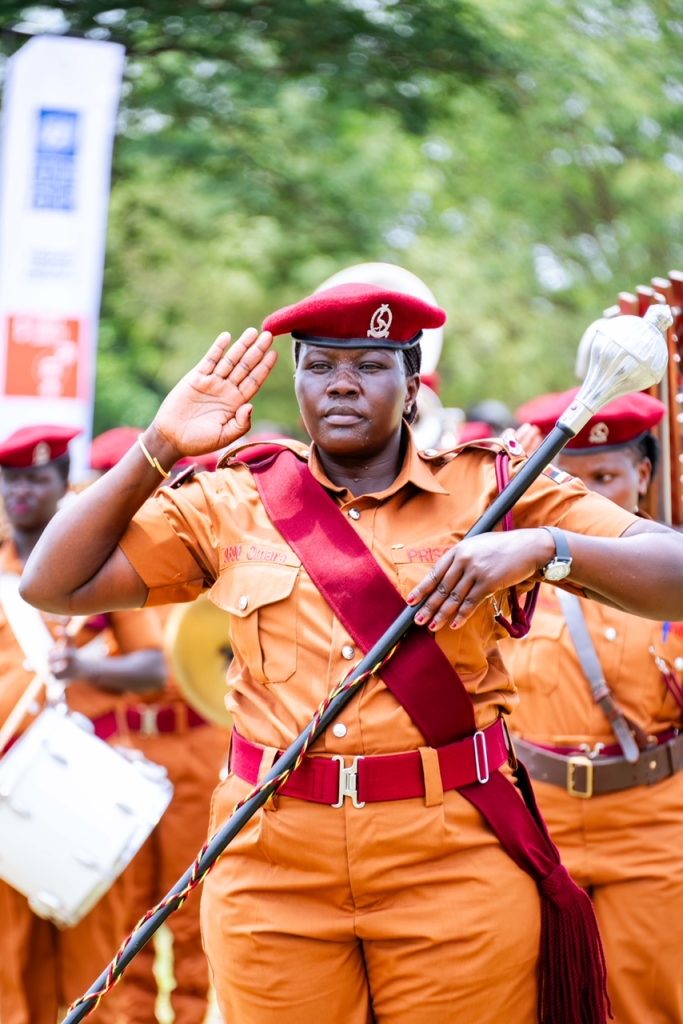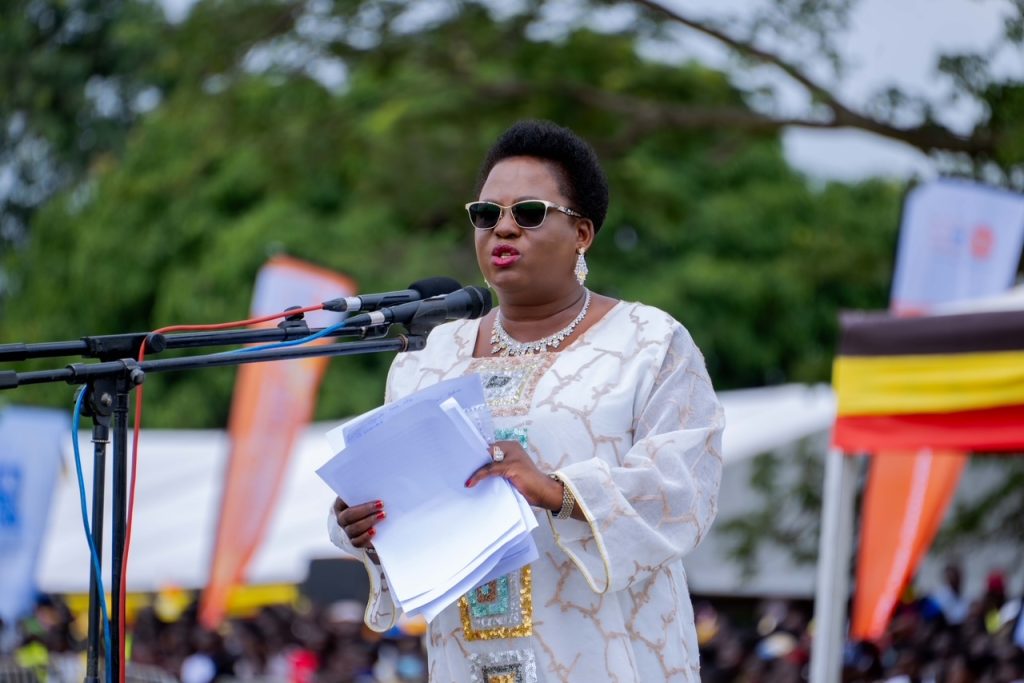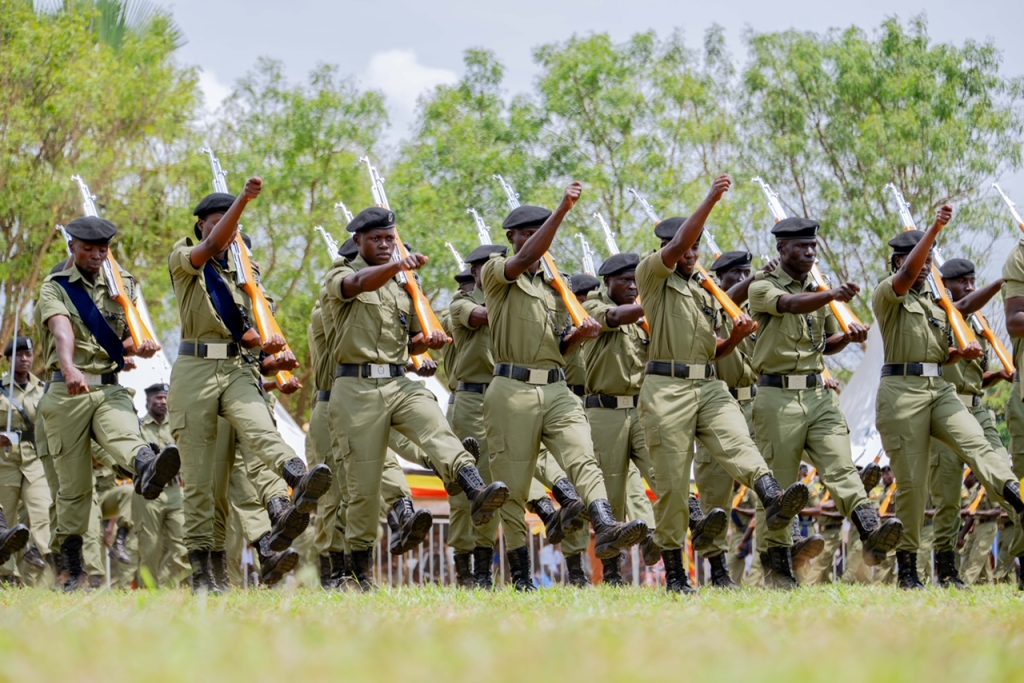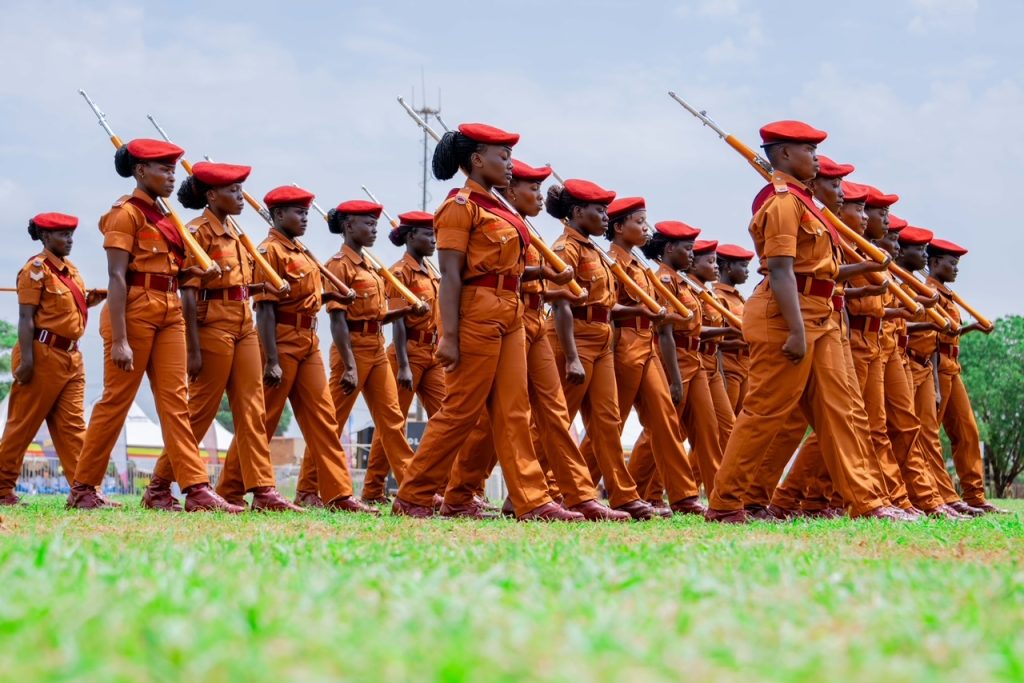
President Museveni has advised youths against taking to the streets in their efforts to deal with thieves in his government.
He says instead, the youth must fight this vice using what he called proper channels.

“You don’t have to go on the streets and riot, you fight corruption by following up government money and know how it’s being spent. Know the figures and in case there’s some misappropriation, write and report to the RDC, if the RDC doesn’t act, we have got other channels,” he advised.
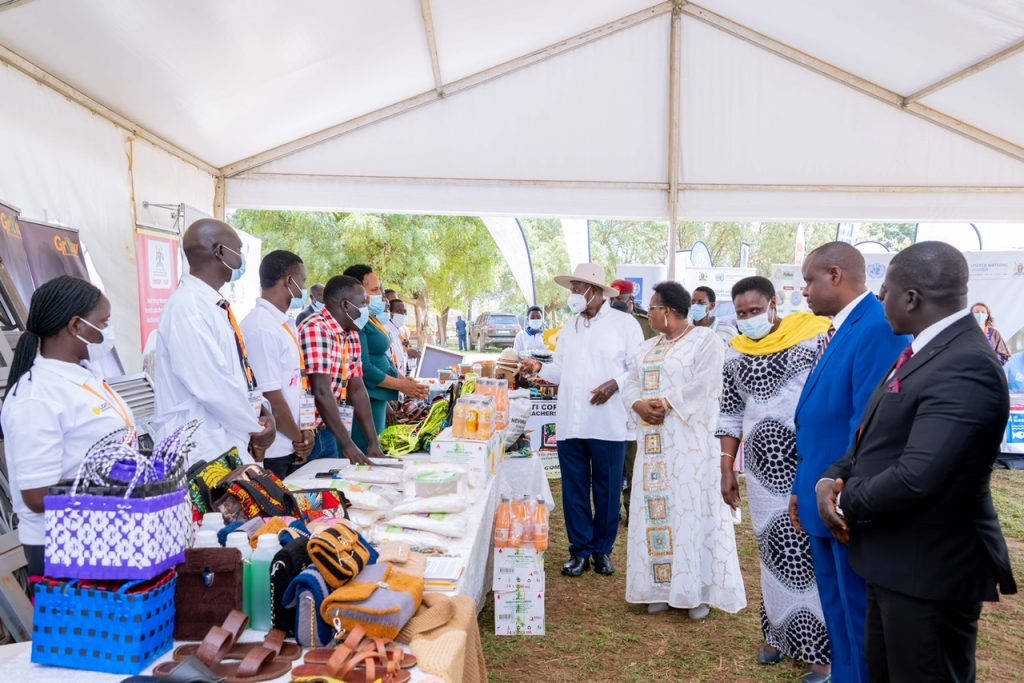
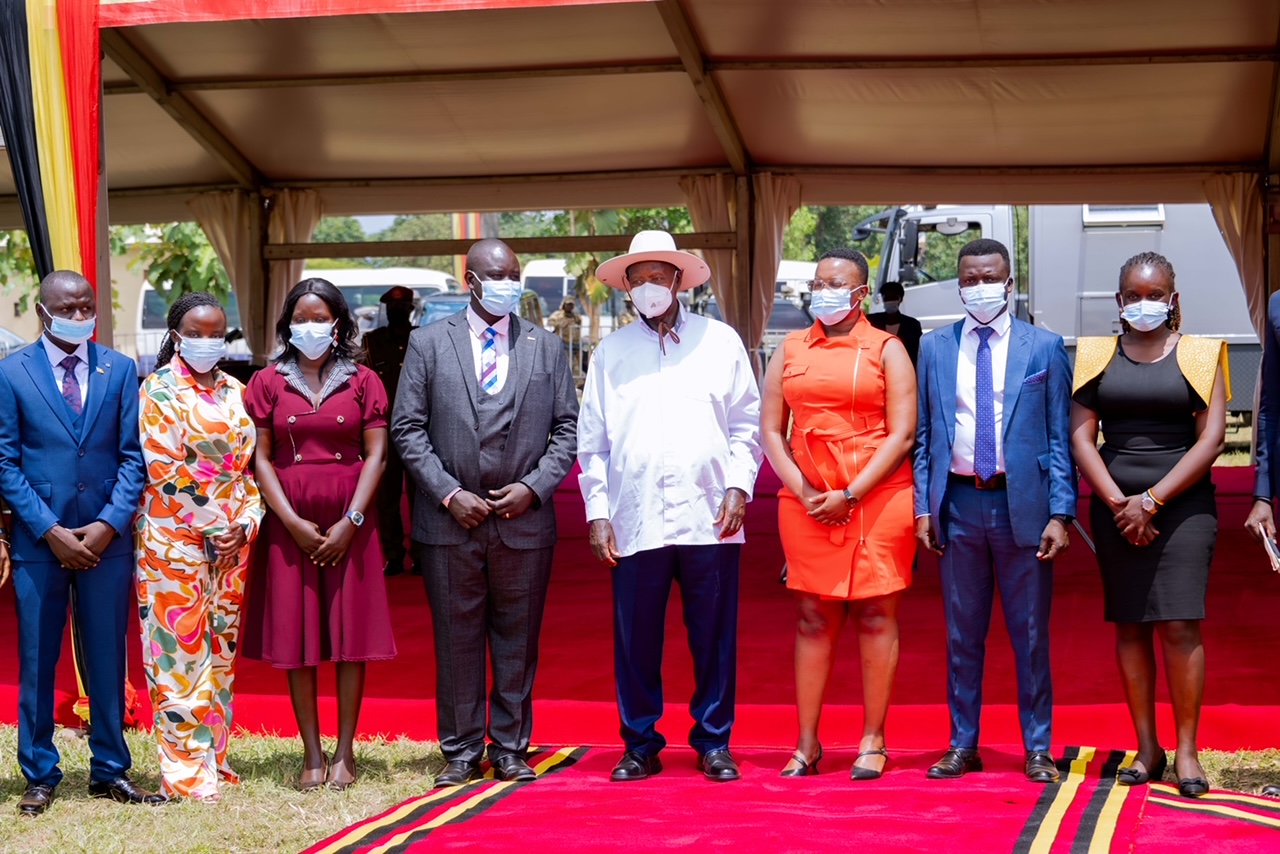
The President who smartly recently trapped three MPs soliciting a mega bribe from UHRC boss Fauzat Mariam Wangadya using a sophisticated recorder, made the remarks while officiating at the International Youth Day Celebrations held at Soroti Core Primary Teachers’ College, Soroti District.
The celebrations ran under the theme: “Skills Development for enhancement of youth opportunities”.
The International Youth Day is commemorated every year on 12 August, bringing youth issues to the attention of the international community and celebrating the potential of youths as partners in today’s global society.
Museveni reassured Ugandans that corruption is easy to be dealt with as long as they work together.
“We can finish these corrupt people, they are not a big problem. All we need are facts,” he said.
The President also urged the youths and activists to insist on free education in government schools, noting that Ugandans have refused to implement this program yet it would have helped the whole country.
“When we introduced it, we knew why we introduced it. In 1958, when we were in our area of Kyamate, Ntungamo area, the people who went to Mbarara High School were like four or five from the whole area. Many children were not going to school at all but even those who went, very few would proceed beyond Primary Six. That’s what we wanted to solve. In my view, we need the implementation of free education in government primary and Secondary schools. Those who are rich can send their children to private schools,” he explained.
He went on “Why have leaders kept on bringing back charges in UPE schools? According to the figures I have, the children in primary schools are 11 million but the ones in secondary schools are 1.7 million. Yet the years of primary and the years of secondary are almost the same. It’s 7 years for primary and 6 for secondary. Why do you have 11 million learners in Primary and 1.7 million in secondary, where have the 9.3 million learners gone? You people, you all come from villages, go back and check how many people dropped out of school in each area.”
On the other hand, President Museveni advised the school going children to work with their parents during holidays to stabilize their homestead income. “Many people don’t know that some of us were influenced by the way we grew up. Like in my case I was a wealth creator from the age of 4. Age of 4 my job was to look after the young cows. By the age of 8, I was looking after the big cows. The children in holidays should participate in wealth creation,” he said but also advised the parents not to over exploit the children.

The President further emphasized that when children are still in the school system, they should always participate in sports and exercises so that they are fit. He also advised that they should spend their youthful years doing useful things. “Participate in spiritual development through religious programs so that you have discipline and fear God. We also need to audit the cultures and we see what we can recommend for our children. Some of the cultures for our people were not good, like mistreatment of women.” he said.
Meanwhile, the Minister of Gender, Labour and Social Development Betty Amongi informed the President that the theme of the celebrations resonates with the fact that skills are important for the realisation of opportunities of the youths, and it addresses the high numbers of the youths who are not in employment, not in school and not in the formal sector.
“The recent National Population and Housing Census of 2024 put the youths between 18 to 30 years at 10.4 million, representing 22.6 percent. Youths between 30 to 34 years are 2.8 million, constituting 6 percent. Children between 0 to 17 years are 23.1 million which constitute 50.2 percent. This makes Uganda one of the youngest and most rapidly growing populations in the world, with about 4 percent population growth and 78.8 percent of Uganda’s population are now under the age of 35,” she said. The Minister also decried the lack of skills and competence among the youths, saying the factors deter them from effectively entering the job market. “More than 1 million young people enter the job market every year. This presents both a huge opportunity but also a challenge. The 2021 Uganda National Labour Force Survey showed that employers across formal and informal sectors in Uganda identified lack of practical, digital entrepreneurship skills as well as soft skills such as managerial, communication, social, emotional as limiting most youths from entering the job market,” she noted.
Amongi also said that employers complain that our education system is not fully aligned with the Labour force needs leading to a mismatch of skills and competence for employability.
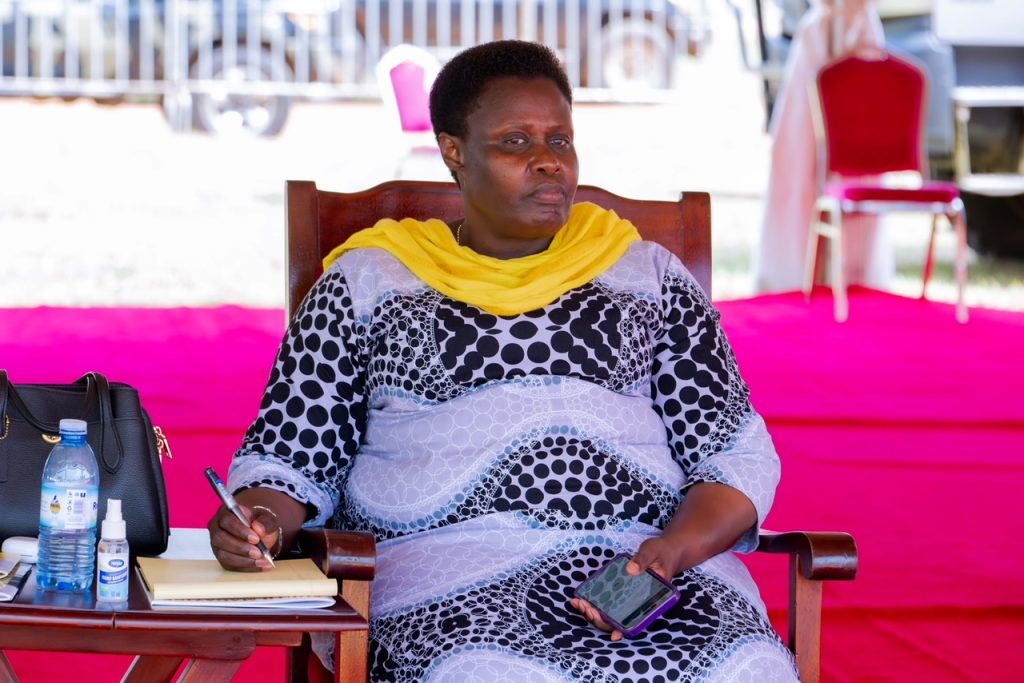
The event was also attended by the Vice President H.E Jessica Alupo, Ministers, Members of the Diplomatic Corps, Members of Parliament, among others.